In modern construction, agriculture, and industrial operations, equipment mobility directly affects efficiency, safety, and overall project costs. Among the many innovations that have transformed the performance of heavy machinery, 36'' rubber tracks stand out as one of the most effective solutions for improving traction, stability, and operational flexibility.
From excavators and compact track loaders to harvesters and pavers, machines equipped with the right rubber track can work more smoothly across diverse terrains. This article explores the key benefits of 36'' rubber tracks, how they enhance the performance of heavy equipment, and what to consider when selecting them for your machinery.
1. What Are 36'' Rubber Tracks?
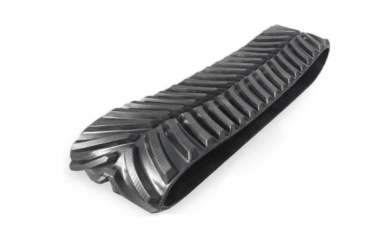
A 36'' rubber track refers to a continuous track made of reinforced rubber composite materials, measuring 36 inches in width. These tracks are designed to distribute the weight of heavy machinery evenly across the ground, reducing surface pressure while maximizing traction and grip.
Unlike steel tracks, which are rigid and can cause significant surface damage, rubber tracks offer flexibility and cushioning. This makes them ideal for operations that require both durability and ground protection, such as landscaping, road maintenance, and agricultural work.
Modern rubber tracks are composed of multiple layers, including:
Rubber compound – Provides flexibility and grip.
Steel or Kevlar cords – Reinforce strength and prevent stretching.
Tread patterns – Designed for traction and terrain adaptability.
The 36'' width offers a perfect balance between ground contact area and machine maneuverability, especially for medium to large-sized equipment.
2. Superior Traction and Mobility
One of the most significant advantages of 36'' rubber tracks is their ability to deliver superior traction and stability, even under challenging surface conditions. Heavy equipment is frequently required to operate on unpredictable terrains such as muddy fields, rocky construction sites, or snow-covered roads—environments where dependable grip and steady movement are crucial.
Better Grip Across All Terrains
The 36'' rubber track provides a wide and consistent contact area with the ground, significantly reducing the likelihood of slippage. Whether on wet soil, loose gravel, or uneven terrain, the rubber material flexes slightly to conform to surface variations, maintaining traction where steel or pneumatic wheels may lose stability. This ensures smoother travel and greater control during acceleration, braking, and turning. The tread design also features self-cleaning patterns that prevent mud and debris buildup, maintaining effective grip throughout long working hours.
Improved Maneuverability
Compared with traditional wheeled systems, rubber tracks allow tighter turning radii and smoother directional control, especially in confined or obstacle-filled spaces. This makes them highly suitable for compact track loaders, excavators, and pavers working in urban environments or narrow work zones. The enhanced maneuverability improves precision during digging, grading, or material handling tasks—ultimately saving both time and fuel.
Reduced Ground Pressure
The wide 36'' profile distributes the machine’s weight evenly across a larger surface area, significantly lowering ground pressure. This minimizes soil compaction, an essential factor in agriculture and landscaping, where maintaining soil structure directly affects crop growth and drainage. On soft or sandy terrain, this even weight distribution prevents equipment from sinking, allowing steady operation and reducing recovery efforts.
3. Reduced Vibration and Operator Fatigue
Comfort and safety are fundamental to modern equipment performance. Machines fitted with 36'' rubber tracks exhibit significantly lower vibration levels than those equipped with rigid steel tracks. The flexible rubber composition acts as a natural shock absorber, reducing the transmission of vibrations from the ground to the operator cabin and machine frame.
Enhanced Comfort
By absorbing impacts from rocks, debris, and uneven ground, rubber tracks create a smoother and quieter operating experience. This reduction in jolts and oscillations allows operators to work for longer periods with less fatigue, improving concentration and overall productivity. Over long shifts, this translates into fewer physical strains and a safer, more comfortable working environment.
Equipment Protection
In addition to operator comfort, lower vibration levels protect sensitive mechanical components such as the undercarriage, bearings, and hydraulic systems. The cushioning effect minimizes stress and wear on joints, bolts, and seals—key factors that extend the overall lifespan of both the track and the equipment. Over time, this means fewer breakdowns, reduced maintenance costs, and improved operational reliability.
4. Surface Protection and Versatility
While steel tracks are durable, they can easily damage paved roads, concrete, or finished landscapes. Rubber tracks, in contrast, are designed to operate across multiple surfaces without causing harm.
Ideal for Sensitive Ground Conditions
36'' rubber tracks are particularly beneficial in environments where surface protection matters—such as golf courses, urban construction sites, and indoor warehouses. Their flexible tread structure prevents deep ruts or scarring on asphalt and turf.
Multi-Terrain Compatibility
From muddy agricultural fields to snowy mountain roads, 36'' rubber tracks perform exceptionally well. Their versatility allows operators to switch between terrains without changing the track system, saving time and maintenance costs.
5. Lower Noise Levels
Noise pollution is an often-overlooked aspect of machinery operation. Steel tracks can produce loud metallic noises that are disruptive and, in some cases, violate local noise regulations.
Rubber tracks, on the other hand, operate much more quietly. The rubber compound naturally absorbs sound and vibration, reducing operational noise levels by up to 50% in some conditions.
This makes 36'' rubber tracks ideal for:
Quieter operation not only improves working environments but also enhances safety by making it easier for workers to hear surrounding activity or potential hazards.
6. Maintenance and Longevity
Durability is a key factor in any heavy equipment investment. 36'' rubber tracks are engineered for longevity, provided they are properly maintained.
Maintenance Advantages
Rubber tracks require less maintenance than steel alternatives because they don’t need lubrication or frequent tension adjustments. Their sealed structure protects internal reinforcements from corrosion and debris.
Signs of Wear
Regular inspection helps extend the lifespan of the tracks. Operators should monitor:
Timely replacement of worn tracks not only prevents downtime but also ensures the safety and efficiency of the equipment.
Average Lifespan
With proper care, 36'' rubber tracks can last 1,200 to 2,000 operating hours, depending on the working environment. Operating mostly on soft soil or turf tends to extend lifespan, while continuous use on asphalt or gravel may shorten it.
7. Cost Efficiency and ROI
While the initial investment in 36'' rubber tracks may seem high, they provide a strong return on investment (ROI) over time.
Lower Operational Costs
Reduced vibration and ground damage lead to fewer repairs—both for the equipment and the terrain. Additionally, rubber tracks enhance fuel efficiency by minimizing resistance and energy loss during operation.
Less Downtime
The enhanced durability of rubber tracks translates to fewer replacements and lower maintenance-related downtime. This directly boosts productivity and operational continuity.
Protecting Your Machine’s Value
Well-maintained rubber tracks also help preserve the resale value of heavy equipment. Buyers often prefer machines that have been operated on rubber tracks due to the lower wear on the undercarriage.
8. Environmental Advantages
Sustainability is an increasingly important concern in equipment manufacturing and operation. 36'' rubber tracks contribute to eco-friendly practices in several ways:
Reduced soil compaction preserves agricultural productivity and natural ecosystems.
Less noise pollution contributes to a safer, quieter work environment.
Lower fuel consumption reduces emissions and operational costs.
Recyclable materials used in modern rubber track production support circular economy goals.
These environmental benefits make rubber tracks a smart choice for companies striving to align with green construction or agricultural standards.
9. Choosing the Right 36'' Rubber Track
Not all rubber tracks are created equal. The performance of a 36'' rubber track depends on the design, materials, and manufacturer quality.
Consider the Following Factors:
Tread pattern: Select based on terrain—deeper patterns for mud, shallower for paved areas.
Rubber compound: High-quality natural and synthetic blends improve durability.
Reinforcement structure: Steel or Kevlar cords prevent stretching and ensure strength.
Compatibility: Ensure the track matches your machine model, sprocket design, and undercarriage system.
OEM vs. Aftermarket Tracks
While OEM tracks are specifically designed for certain machines, high-quality aftermarket 36'' rubber tracks often offer excellent performance at more affordable prices. Always check warranty coverage and supplier reputation before purchasing.
10. Practical Applications of 36'' Rubber Tracks
36'' rubber tracks are used across a variety of industries and machines, including:
Excavators – for digging and grading operations.
Compact Track Loaders (CTLs) – for versatile ground movement.
Agricultural Tractors and Harvesters – for soil-friendly traction.
Pavers and Road Machinery – for smooth, damage-free asphalt work.
Forestry Equipment – for operating on soft or debris-covered terrain.
Their adaptability makes them an essential component for operators who need to balance power, precision, and ground care.
Conclusion: The Smart Choice for Modern Equipment
The 36'' rubber track represents the evolution of mobility solutions for heavy machinery. It offers a balance of strength, flexibility, and sustainability that traditional steel tracks simply cannot match.
Whether you are in construction, agriculture, landscaping, or roadwork, investing in high-quality 36'' rubber tracks can lead to improved performance, lower maintenance costs, and longer equipment life.
For operators and businesses seeking reliable, high-performance rubber tracks, Shandong Bolin Machinery Co., Ltd. is a trusted manufacturer and supplier offering durable and precision-engineered rubber track solutions for various heavy equipment applications.
To learn more about their products or find the right 36'' rubber track for your machine, visit Shandong Bolin Machinery Co., Ltd. or get in touch with their technical team for professional guidance.


