In the world of modern construction, rubber tracks have revolutionized the way machinery moves, operates, and performs on job sites. Among the various sizes available, 36'' rubber tracks stand out for their exceptional balance of traction, ground pressure distribution, and versatility. These tracks are commonly used in heavy-duty construction equipment such as excavators, compact track loaders, and pavers, providing the stability and performance needed for challenging terrains.
1. Understanding 36'' Rubber Tracks: Key Features and Design
A 36-inch rubber track refers to the width of the track, which directly influences the machine’s traction, load-bearing capacity, and ground contact area. Wider tracks distribute weight more evenly, minimizing ground pressure and improving flotation on soft or uneven terrain.
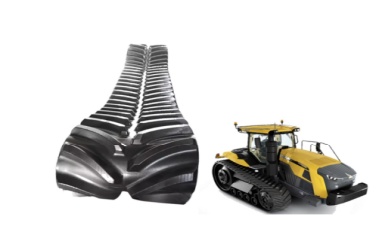
These tracks are typically constructed from reinforced rubber compounds integrated with steel cords and embedded links, ensuring strength, flexibility, and durability. The tread patterns are designed to optimize grip and minimize vibration, providing smoother operation even on rough construction sites.
Key characteristics include:
Wide surface area (36 inches): Enhanced stability on mud, gravel, and loose soil.
Steel-reinforced cores: Improved resistance to punctures and stretching.
Optimized tread design: Reduces slippage and increases traction.
Low ground pressure: Protects delicate surfaces like asphalt and landscaping.
Vibration absorption: Improves operator comfort and reduces machine wear.
These attributes make 36'' rubber tracks ideal for construction machinery that must operate efficiently across varying conditions.
2. Why Track Width Matters in Construction
Track width is one of the most important design choices in construction equipment. Wider tracks—like 36-inch models—offer better load distribution, reducing the risk of sinking or getting stuck in muddy or soft ground. This is especially crucial in earthmoving, grading, and road construction projects where surface stability varies.
3. Top Construction Applications for 36'' Rubber Tracks
Let’s take a closer look at the key construction applications where 36-inch rubber tracks demonstrate exceptional versatility, durability, and cost-efficiency. These tracks are engineered to meet the rigorous demands of construction sites while ensuring better traction, stability, and surface protection than traditional steel tracks.
Excavation and Earthmoving
One of the most common uses of 36'' rubber tracks is in excavation and earthmoving operations. Machines such as excavators, dozers, and backhoes rely heavily on traction and ground stability to perform precise digging, trenching, or grading.
Rubber tracks offer a significant advantage by distributing the machine’s weight evenly across a larger surface area, which minimizes ground pressure. This prevents trench collapse and reduces soil compaction—especially important when working in agricultural, residential, or environmentally sensitive zones.
Because rubber tracks have strong grip and flexibility, they maintain superior control on soft or uneven terrain, such as mud, clay, gravel, or sand. Compared to steel tracks, they produce fewer vibrations, leading to smoother handling and enhanced operator comfort.
Benefits include:
Stable digging performance even on soft or slippery ground.
Reduced vibration for precise control and smoother operation.
Less damage to finished or delicate surfaces.
Lower risk of ground rutting or surface deformation.
Road and Pavement Construction
In road and pavement construction, rubber tracks are indispensable for asphalt pavers, compact track loaders, and milling machines. A major advantage of 36'' rubber tracks is their non-marking surface, which prevents scarring or scratching newly laid asphalt or concrete—something steel tracks cannot avoid.
These tracks provide steady traction and balance, essential for achieving smooth, uniform road surfaces. Their wider contact area also helps distribute pressure evenly, which not only ensures precise surface finishing but also extends the lifespan of the machine and the road itself.
Key advantages:
No surface scarring or gouging during paving work.
Consistent traction on asphalt, gravel, or compacted soil.
Improved accuracy and uniformity in road finishing.
Reduced wear and tear on both machinery and surface layers.
Landscaping and Site Preparation
In landscaping and residential construction, maintaining the integrity of lawns, gardens, and decorative surfaces is essential. Rubber tracks excel here due to their low ground pressure and ability to operate without leaving deep ruts or damage.
Compact machines such as mini-excavators and skid steers equipped with 36'' rubber tracks can efficiently perform site preparation tasks—like grading, trenching, and backfilling—while protecting fragile surfaces. The quieter, smoother operation is also beneficial in urban or suburban environments, where noise and vibration reduction are critical.
Applications include:
Site grading, contouring, and soil leveling.
Retaining wall, irrigation, and drainage installation.
Turf protection and large-area maintenance.
Construction of gardens, pathways, and decorative landscapes.
Demolition and Waste Handling
Demolition projects involve harsh working conditions—uneven terrain, broken concrete, and sharp debris. For such environments, heavy-duty 36'' rubber tracks are designed to offer superior resistance against cuts, punctures, and wear.
These tracks enhance machine maneuverability across debris-laden sites while maintaining operator safety. The rubber’s natural shock absorption also reduces vibration, which helps protect the undercarriage components from premature wear and damage.
Advantages include:
Enhanced resistance to punctures and sharp debris.
Excellent stability on uneven, debris-filled surfaces.
Lower vibration levels, increasing operator comfort.
Longer undercarriage lifespan and reduced maintenance costs.
Foundation Work and Piling Operations
In foundation and piling work, stability and traction are paramount. 36-inch rubber tracks provide a broad footprint that enables machines to operate effectively on soft or unstable ground, including wet clay and sand.
Their wide stance ensures the equipment maintains balance while carrying heavy loads or performing vertical drilling operations. Moreover, rubber tracks exert lower ground pressure, preventing excessive soil displacement—crucial for maintaining level foundations and structural accuracy.
Benefits include:
Strong traction for drilling, piling, and heavy lifting.
Stable operation on soft, uneven, or loose soil.
Reduced environmental and ground disturbance.
Longer-lasting track performance under continuous stress.
4. Performance Benefits of 36'' Rubber Tracks
Beyond application-specific advantages, 36-inch rubber tracks bring general performance benefits to almost every type of construction equipment.
Enhanced Traction and Stability
Their increased contact area ensures maximum grip, even on loose or wet soil, allowing operators to maintain control and precision during demanding operations.
Lower Ground Pressure
Wider tracks distribute weight more evenly, preventing the machine from sinking and protecting the terrain underneath. This is especially beneficial in landscaping or environmentally sensitive zones.
Reduced Machine Vibration and Operator Fatigue
Rubber’s natural elasticity absorbs vibration and impact, resulting in smoother rides, less fatigue, and longer machine component life.
Noise Reduction
Rubber tracks operate more quietly than steel tracks, an important advantage in residential areas or urban construction environments.
Cost Efficiency
Although rubber tracks have a higher upfront cost than steel, they reduce maintenance expenses, fuel consumption, and repair downtime, providing long-term value.
5. Maintenance Tips for 36'' Rubber Tracks
To ensure that 36'' rubber tracks deliver long-lasting and consistent performance, proper maintenance is key. Regular care not only extends their lifespan but also enhances overall machine efficiency and safety. Below are some practical and effective tips for maintaining your rubber tracks:
Clean regularly: After each use, remove mud, rocks, and crop residue lodged between the lugs or undercarriage. Accumulated debris can accelerate wear, cause misalignment, and reduce traction efficiency.
Check tension frequently: Proper track tension is vital for balanced traction and smooth operation. Over-tightening increases stress on the track and drive system, while loose tension may cause de-tracking. Always refer to the manufacturer’s guidelines for ideal tension settings.
Inspect lugs and steel cores: Examine the rubber surface for cracks, cuts, or signs of delamination. Damaged cores or torn lugs should be addressed immediately to prevent further deterioration or safety hazards.
Avoid sharp turns on hard surfaces: Rapid turning on asphalt or concrete can cause uneven wear and strain on both the track and undercarriage. Use gradual turns whenever possible, especially under heavy loads.
Store properly: When the machine is not in use, park it in a shaded, dry area to protect the rubber from UV exposure and extreme temperatures. If long-term storage is needed, slightly elevate the machine to relieve track pressure.
When maintained according to these best practices, 36'' rubber tracks can operate efficiently for thousands of hours, ensuring dependable traction, reduced downtime, and cost-effective performance across multiple agricultural or construction projects.6. Choosing the Right 36'' Rubber Track for Your Equipment
Selecting the correct rubber track involves more than just size—it’s about matching the track to the machine and job conditions. Factors to consider include:
Tread pattern: Aggressive treads for mud and snow; smooth patterns for pavement.
Core construction: Steel-reinforced tracks offer superior durability.
Compound quality: Premium rubber compounds resist cracking and heat.
Machine compatibility: Ensure proper fit for excavators, compact loaders, or pavers.
Investing in high-quality tracks from a reliable manufacturer ensures optimal performance, safety, and long-term cost savings.
6. Conclusion: Why 36'' Rubber Tracks Are a Smart Choice for Construction
The adoption of 36-inch rubber tracks in the construction industry continues to grow because of their stability, durability, and adaptability. Whether for excavation, road paving, landscaping, or demolition, these tracks provide unmatched traction and protection for both machinery and terrain.
By minimizing ground damage, improving traction, and reducing vibration, 36'' rubber tracks enhance overall productivity and operator comfort—making them an indispensable component in today’s modern construction equipment lineup.
For high-quality, durable 36'' rubber tracks built to handle demanding construction environments, consider partnering with Shandong Bolin Machinery Co., Ltd. The company offers a wide range of rubber tracks and undercarriage components engineered for performance and reliability. Visit their website to learn more about product specifications or contact their technical team for expert recommendations tailored to your machinery needs.


