Tractors are the backbone of modern farming, enabling farmers to complete a variety of essential tasks such as plowing, planting, and harvesting with ease and precision. Their ability to enhance productivity and reduce manual labor has made them indispensable in the agricultural industry. Tractor attachments, particularly rubber track systems, further boost farm work efficiency. Rubber tracks provide superior traction, stability, and flexibility, allowing tractors to perform effectively on various terrains, including soft or muddy soil. Unlike traditional metal tracks, rubber tracks reduce soil compaction, preserving soil health while improving maneuverability. This makes them an ideal solution for farms aiming to increase efficiency while maintaining the integrity of the land.
Understanding Tractor Attachments
1.Definition and Functions of Tractor Attachments
Tractor attachments are specialized tools or equipment that can be connected to a tractor to enhance its functionality. These attachments are designed to perform specific tasks that are essential for efficient farming. Common attachments include plows, tillers, seeders, sprayers, fertilizer spreaders, and harvesters. Each of these tools serves a particular purpose, such as turning the soil, planting seeds, applying fertilizers, or harvesting crops. By adding the right attachment, tractors can handle a wide range of agricultural tasks, making them versatile machines on the farm.
2.Why Choosing the Right Attachments is Crucial
Choosing the correct tractor attachment is essential for optimizing farm operations. The right attachment ensures that the tractor can operate at maximum efficiency, reducing the time and effort needed for each task. For example, a plow designed for heavy soil will perform much better than a standard plow in such conditions. Selecting the appropriate attachment for the specific job helps in achieving better results, whether it's faster planting, more accurate fertilizer distribution, or more effective harvesting.
3.Impact on Tractor Performance and Longevity
The right attachment is crucial for maintaining the tractor’s performance and longevity. Using attachments that are incompatible with the tractor’s size or the terrain can lead to excessive wear and tear, increasing maintenance costs. Moreover, the proper attachment can help preserve soil health by minimizing compaction and damage. In summary, making informed choices when selecting tractor attachments is vital to improving farm productivity, minimizing operational costs, and ensuring the long-term success of farming operations.
Rubber Track Attachments for Tractors
1.What are Rubber Track Attachments: Definition and Uses
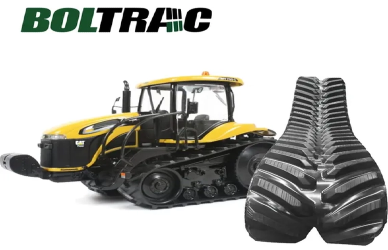
Rubber track attachments are specialized systems that replace the traditional wheels or metal tracks of a tractor with flexible, durable rubber tracks. These attachments are designed to provide enhanced traction and stability, making them ideal for use in a variety of agricultural tasks. Rubber tracks are particularly useful in applications that require the tractor to work on soft, wet, or uneven terrain, such as during planting, harvesting, or soil preparation. The flexibility of rubber tracks allows for smoother operation and better weight distribution, reducing the strain on both the tractor and the ground.
2.How Rubber Tracks Enhance Farm Efficiency
Rubber track attachments significantly improve farm efficiency by offering enhanced stability and traction. On challenging terrains such as muddy, loose, or uneven fields, rubber tracks provide superior grip, preventing the tractor from slipping or getting bogged down. This improved traction allows for faster and more effective movement, reducing downtime and increasing productivity. Additionally, the flexibility of rubber tracks ensures that the tractor can maneuver with ease, even in tight spaces or on rough surfaces, making it more versatile for different farming tasks. This, in turn, helps farmers complete tasks more efficiently and with less effort.
3.Advantages of Rubber Tracks: Comparison with Traditional Metal Tracks
When compared to traditional metal tracks, rubber tracks offer several key advantages that make them a preferred choice in many agricultural applications:
Reduced Soil Compaction: Unlike metal tracks, which can exert concentrated pressure on the soil, rubber tracks distribute the weight of the tractor more evenly. This helps to reduce soil compaction, preserving soil health and promoting better crop growth.
Improved Maneuverability: Rubber tracks provide greater flexibility and comfort, allowing tractors to navigate challenging terrains more smoothly. In contrast, metal tracks can cause more jarring movements, making it harder for the tractor to maintain a steady course.
Less Damage to Surfaces: Rubber tracks are less likely to cause damage to paved roads or delicate farm fields. Metal tracks, on the other hand, can leave deep ruts or scars in the soil, especially in soft ground, making rubber tracks a gentler option for sensitive landscapes.
Key Tractor Attachment Types
1.Plows and Tillers: The Role of Plows and Tillers, and How Rubber Tracks Help Improve Tillage Efficiency
Plows and tillers prepare the soil for planting by breaking it up and mixing in organic matter. Rubber track attachments enhance tillage efficiency by offering better traction, especially on soft or wet soils. The improved grip prevents slippage, ensuring smooth soil preparation, reducing equipment wear, and promoting consistent soil turnover, leading to higher crop yields.
2.Seeders and Planters: How Attachments Help in Efficient Planting with Enhanced Track Performance
Seeders and planters ensure even seed distribution across the soil. Rubber tracks improve planting efficiency by providing better stability and control on uneven terrain. Enhanced traction reduces slippage, ensuring consistent seed depth and uniform germination, resulting in more efficient planting and better crop growth.
3.Sprayers and Fertilizer Spreaders: Optimizing Fertilizer and Pesticide Distribution for Healthier Crops
Sprayers and fertilizer spreaders apply fertilizers and pesticides to crops. Rubber tracks provide stability, improving precision and consistency during application. Better traction ensures accurate coverage, even in wet or uneven conditions, promoting healthier crops and more effective pesticide and fertilizer use.
4.Harvesters and Balers: The Role of Rubber Tracks in Improving Efficiency During Crop Harvesting and Baling
Harvesters and balers are used to gather and process crops. Rubber tracks enhance their performance by offering better traction on soft or uneven ground, reducing the risk of slippage. This improves the efficiency of harvesting and baling, reducing downtime and increasing productivity during peak harvest periods.
Choosing the Right Attachments for Your Tractor
1. Guide on Selecting the Right Tractor Attachments Based on Farm Needs
Selecting the right tractor attachments is essential for farm efficiency. Start by identifying the tasks you need to perform, such as tilling, planting, or harvesting. For large soil preparation, choose a heavy-duty plow or tiller. For planting or fertilizing, select seeders or sprayers. Ensure the attachment aligns with your farm's size and goals for maximum efficiency and productivity.
2. How to Assess Terrain, Crop Types, and Tractor Size When Choosing Attachments
When choosing attachments, consider the terrain, crop types, and tractor size:
Terrain: Rubber tracks are ideal for soft or muddy soil, offering better traction and reducing compaction. For rough or hilly land, choose attachments that provide stability.
Crop Types: Different crops need specific tools. Row crops like corn require row-crop planters, while vegetables may need specialized planters or harvesters.
Tractor Size: Ensure attachments are compatible with your tractor’s size and power. Larger tractors can handle more robust attachments, while smaller tractors need lighter, more compact options.
Benefits of Rubber Track Attachments
1.Increased Traction
Rubber track attachments provide superior traction, particularly on muddy or slippery surfaces. Their flexible design and wide surface area allow them to grip the ground more effectively, preventing slippage and ensuring smooth movement even in challenging conditions. This increased traction enhances the tractor's ability to perform various tasks, from tilling to planting, with greater stability and control.
2.Reduced Ground Compaction
One of the significant benefits of rubber tracks is their ability to reduce soil compaction. Unlike traditional metal tracks or wheels, rubber tracks distribute the weight of the tractor more evenly across a larger surface area. This helps to prevent the soil from becoming compacted, preserving its structure and promoting better root growth. By minimizing ground compaction, rubber tracks help maintain soil health, which is crucial for long-term farming productivity.
3.Improved Efficiency
Rubber track attachments contribute to overall efficiency by reducing wear and tear on the tractor. Their smooth and steady movement across uneven terrain helps minimize strain on the tractor’s components, lowering maintenance needs and extending its lifespan. With less wear, the tractor performs more reliably, reducing downtime and repair costs. This results in more efficient operation, allowing farmers to complete tasks faster and with less maintenance effort.
FAQ
1.What is a rubber track attachment, and how does it differ from traditional tracks?
Rubber track attachments reduce soil compaction and provide smoother traction compared to traditional metal tracks, being gentler on the land.
2.How do rubber tracks improve the efficiency of farm operations?
Rubber tracks offer better traction and stability, especially on muddy or wet terrains, increasing work efficiency in various farming tasks.
3.Can I use rubber track attachments on any type of tractor?
Most modern tractors can be equipped with rubber track attachments, but compatibility with tractor specifications and work requirements should be checked.
4.What are the maintenance requirements for rubber track attachments?
Rubber tracks require regular inspection and cleaning to prevent debris buildup but have lower maintenance demands compared to traditional metal tracks.
Conclusion
In conclusion, rubber track attachments play a crucial role in enhancing agricultural efficiency by providing superior traction, reducing soil compaction, and improving overall tractor performance. Their ability to perform effectively on soft, muddy, or uneven terrain makes them an invaluable asset for a wide range of farming tasks, from tilling to planting and harvesting. By investing in the right rubber track attachments, farm owners can boost productivity, reduce maintenance costs, and promote long-term soil health, ultimately leading to a more sustainable and profitable farming operation. Therefore, it's essential for farm owners to carefully consider their specific needs and choose the appropriate attachments to maximize the efficiency of their tractors and improve farm outcomes.


