Soil preparation and harvesting are crucial stages in farming, directly impacting crop yields and overall farm success. Properly prepared soil and efficient harvesting are essential for maximizing productivity and sustainability. Tractor attachments are key to enhancing these processes, making tasks faster and more effective. Rubber track attachments provide significant advantages by improving traction, stability, and reducing soil compaction. These attachments allow tractors to perform efficiently on soft, muddy, or uneven ground, common during soil preparation and harvesting. By minimizing compaction and reducing slippage, rubber tracks ensure smoother operations and less downtime. Choosing the right attachments helps farm owners optimize soil preparation and harvesting, leading to healthier soil, more efficient farming, and higher productivity.
Rubber Track Attachments: Key Benefits for Soil Preparation and Harvesting
1.How Rubber Tracks Enhance Tractor Performance During Soil Preparation and Harvesting Tasks
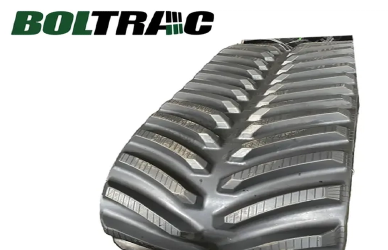
Rubber track attachments significantly improve tractor performance by providing better traction and stability during soil preparation and harvesting tasks. When preparing soil, such as during tilling or plowing, rubber tracks ensure that the tractor can move smoothly across soft or uneven ground, preventing slippage and reducing the risk of getting stuck. This enhanced traction helps achieve more efficient soil turnover and seedbed preparation. Similarly, during harvesting, rubber tracks allow the tractor to maintain stability on uneven or rough terrain, facilitating smoother operation of harvesters and balers, which leads to faster and more effective crop collection.
2.How Rubber Tracks Provide Stability and Traction, Reducing Soil Compaction
One of the main advantages of rubber track attachments is their ability to reduce soil compaction. Traditional metal tracks or wheels can exert concentrated pressure on the soil, leading to compaction, which negatively affects soil health and crop growth. In contrast, rubber tracks distribute the weight of the tractor more evenly across a larger surface area. This reduces the amount of pressure applied to the soil, minimizing compaction and preserving soil structure. As a result, rubber tracks help maintain healthier soil, which promotes better root growth, improved water infiltration, and enhanced overall crop performance.
Choosing Attachments for Soil Preparation
1. Types of Plows Suitable for Different Soil Types and Their Benefits
Plows are essential tools for soil preparation, used to break up and turn over the soil. There are various types of plows, each suited for specific soil conditions. Moldboard plows are ideal for breaking up heavy, compacted soil, while chisel plows are designed for deeper tillage in stiffer soils. Disc plows are best for working in rocky or hard soils, as their discs can cut through rough surfaces. Using the right plow for your soil type ensures better soil aeration, effective weed control, and easier planting. Rubber track attachments enhance the plow’s performance by providing better traction and reducing the risk of slippage on soft or muddy fields.
2.Tillers: How Tillers Work with Rubber Tracks for Smoother, More Effective Tillage
Tillers are used to break up soil into smaller, finer particles, creating a better seedbed for planting. Rubber tracks improve tiller performance by offering better stability and traction, especially in wet or uneven soil. The enhanced grip of rubber tracks prevents the tractor from slipping or bogging down during tillage, allowing the tiller to work more effectively. This results in a smoother, more consistent soil texture, ensuring that the seedbed is ideal for optimal seed germination and root development.
3.Seedbed Preparation: How Proper Attachments Ensure Optimal Seedbed Conditions for Planting
Seedbed preparation is crucial for healthy plant growth, as it provides the right environment for seeds to germinate and establish roots. Proper attachments, such as plows, tillers, and harrows, are used to prepare the soil by breaking it up, leveling it, and incorporating organic matter. Rubber tracks play an important role in ensuring the attachments perform at their best, providing stability on soft or uneven ground. With better traction and weight distribution, rubber tracks help maintain the integrity of the soil structure, prevent compaction, and ensure the seedbed is properly aerated, giving the seeds the best chance to thrive.
Choosing Attachments for Harvesting
1.Harvesters: The Role of Harvesters in Efficient Crop Collection and How Rubber Tracks Contribute to Their Performance
Harvesters are essential for efficiently collecting mature crops, such as grains, vegetables, and fruits. These attachments cut, thresh, and clean crops, making the harvesting process faster and more efficient. Rubber track attachments play a critical role in enhancing harvester performance by providing better traction and stability, especially on uneven or soft terrain. The improved grip of rubber tracks prevents the tractor from slipping or bogging down during harvest, ensuring smooth operation of the harvester. This allows for faster, more consistent crop collection, reducing downtime and increasing overall harvesting efficiency.
2.Balers: Explanation of Baler Attachments and Their Effectiveness During Harvesting with Rubber Tracks
Balers are used to compress harvested crops, such as hay, straw, or silage, into compact bales for easier handling, transport, and storage. Rubber track attachments help improve the performance of baler attachments by providing enhanced stability and traction, particularly on rough or wet fields. The increased grip of rubber tracks ensures that the baler operates smoothly without slipping or getting stuck, leading to more consistent and efficient baling. This results in higher productivity, quicker field clearing, and more uniform bales, making the overall harvesting and post-harvest processes much more efficient.
Assessing Farm Needs for Soil Preparation and Harvesting Attachments
1.How to Evaluate the Size and Condition of Your Farm to Choose the Right Equipment
When selecting attachments for soil preparation and harvesting, evaluating the size and condition of your farm is crucial. Begin by considering the overall acreage and the type of terrain you are working with. For larger farms, you may need heavier, more durable attachments like wide plows or large-scale harvesters to handle bigger tasks efficiently. On the other hand, smaller farms may benefit from compact, lighter attachments that are easier to maneuver. Additionally, assess the condition of your soil—whether it is hard, compacted, or loose—as this will determine the type of plow or tiller required. For uneven or rough terrain, attachments with better traction, like rubber tracks, can enhance stability and performance.
2.Matching Attachments with Farm Requirements, Including Tractor Size and Crop Type
Selecting the right attachments also involves matching them with your tractor size and the type of crops you grow. A larger tractor can handle heavy-duty attachments, such as industrial-grade plows or large harvesters, making it suitable for expansive farms with extensive crop fields. Smaller tractors, however, are better suited for lighter attachments like compact tillers or smaller balers, ideal for smaller, more diverse farms. The crop type plays a role in choosing specialized equipment—row crops like corn may require row-crop planters, while fruit or vegetable farms might benefit from custom harvesters. By ensuring your attachments are compatible with both your tractor and the crops you grow, you optimize your farm’s efficiency and productivity.
FAQ
1.What makes rubber track attachments ideal for soil preparation?
Rubber tracks provide superior traction, especially on soft or muddy soils, which helps reduce slippage. This ensures smoother, more efficient tilling and plowing, allowing the tractor to maintain stability and complete soil preparation tasks more effectively.
2.Can rubber tracks help with harvesting on uneven terrain?
Yes, rubber tracks enhance stability on uneven or rough terrain, making it easier for harvesters and balers to operate efficiently without getting stuck or losing traction. This leads to faster and more consistent crop collection, even in challenging field conditions.
3.How do I know if I need a plow or tiller for soil preparation?
A plow is best for turning over heavy, compacted soil, while a tiller is designed for breaking up soil into smaller particles for a fine seedbed. Assess your soil’s condition—if it's compacted or hard, a plow is ideal, while a tiller is more effective for creating a smooth, workable surface for planting.
4.Do rubber tracks require special maintenance for harvesting tasks?
Rubber tracks generally require minimal maintenance compared to metal tracks, especially during harvesting. Regular inspection for debris buildup and wear is recommended, but overall, rubber tracks have lower maintenance needs, helping reduce downtime and repair costs during harvesting operations.
Conclusion
In conclusion, rubber track attachments are essential for optimizing both soil preparation and harvesting tasks on the farm. By providing superior traction and stability, rubber tracks enable tractors to perform efficiently on soft, muddy, or uneven terrain, reducing slippage and ensuring smooth operation of essential attachments like plows, tillers, harvesters, and balers. This not only improves productivity but also helps preserve soil health by minimizing compaction, which is vital for long-term crop yields. Additionally, rubber tracks enhance the tractor’s overall performance, making it more versatile and efficient across various farming conditions. Investing in the right rubber track attachments tailored to your specific farm requirements can significantly reduce maintenance costs, enhance operational efficiency, and contribute to sustainable farming practices. Therefore, it is crucial for farm owners to carefully assess their needs and choose the appropriate attachments, ensuring their tractor is optimized for maximum performance and long-term success in their farming endeavors.


