In modern construction, efficiency and reliability depend heavily on the equipment’s ability to perform across various terrains. Among the key components influencing a machine’s performance are its tracks. Rubber tracks, especially the 36-inch rubber track, have gained remarkable popularity in the construction and agricultural industries for their balance of power, flexibility, and ground adaptability. These tracks not only improve traction and stability but also enhance fuel efficiency, comfort, and long-term machine durability.
1. Understanding 36'' Rubber Tracks
A 36-inch rubber track refers to the track’s width — 36 inches (or roughly 914 mm). This size is typically used on medium to large construction machinery such as excavators, skid steer loaders, track loaders, and compact track carriers. The wide base provides a larger surface area, improving weight distribution and minimizing ground pressure, which is critical for stability and traction on soft or uneven terrain.
Unlike traditional steel tracks, rubber tracks consist of multiple layers of high-quality rubber compounds reinforced with steel cords and fabric. These layers are engineered to deliver a combination of flexibility, toughness, and traction performance across various working environments.
A typical 36’’ rubber track has three core layers:
Outer Rubber Layer: Provides wear resistance and surface flexibility.
Reinforcement Layer: Composed of continuous steel cords or aramid fibers that enhance tensile strength and prevent stretching.
Inner Base Layer: Ensures a stable fit on the undercarriage system and resists internal tearing.
This construction ensures the track maintains durability while allowing smooth operation even in rough or changing terrain conditions.
2. The Importance of Traction in Construction Machinery
Traction is one of the most critical performance factors in heavy equipment operation. It refers to the grip or friction between a machine’s tracks and the ground surface, determining how effectively the equipment can move, push, or pull loads without slipping. For excavators, loaders, dozers, and agricultural machines, proper traction directly influences operational efficiency, fuel economy, and safety.
When machinery operates on unstable surfaces such as soft soil, loose gravel, or wet mud, insufficient traction can cause the tracks to spin uselessly, leading to wasted energy, uneven digging, or even equipment getting stuck. This not only slows down productivity but also increases wear on the undercarriage and drive system.
That’s where 36’’ rubber tracks make a significant difference. Their wider design increases the contact surface area with the ground, distributing weight more evenly and enhancing grip. The result is superior traction that allows the machine to maintain steady forward motion even on slippery or uneven terrain.
Key advantages include:
Better performance on muddy or sandy ground: The broader footprint prevents the machine from sinking or losing traction.
Reduced ground disturbance: Even weight distribution minimizes soil compaction, protecting delicate surfaces in landscaping or farming applications.
Higher energy efficiency: With less slippage, the machine converts more engine power into motion, reducing fuel waste and improving overall productivity.
3. How 36'' Rubber Tracks Improve Stability
Stability is another crucial factor for construction machinery, particularly when operating on uneven or sloped surfaces. A stable machine is safer, more precise, and more comfortable to operate.
The 36-inch width offers a significant stability advantage over narrower tracks. The broader base lowers the machine’s center of gravity and increases the footprint area. As a result:
Tipping Risk Is Reduced: Wider tracks improve lateral stability, helping machines maintain balance when lifting heavy loads or turning.
Better Slope Handling: The enhanced ground grip ensures reliable performance on gradients without excessive sliding or drifting.
Smoother Operation: The large footprint reduces vibration and shock transmission to the cab, increasing operator comfort.
In addition, the flexibility of rubber compared to steel helps the track conform to uneven terrain, maintaining continuous ground contact and reducing instability caused by gaps between the track and the ground.
4. Advantages of 36'' Rubber Tracks Over Steel Tracks
While steel tracks were once the industry standard for durability and load-bearing capacity, rubber tracks have evolved to provide comparable performance with added benefits.
Here’s how 36’’ rubber tracks outperform steel tracks in many construction scenarios:
Feature | 36'' Rubber Tracks | Steel Tracks |
Surface Protection | Gentle on asphalt, turf, and concrete | Causes scratches and surface damage |
Noise Level | Quiet operation | Loud, metallic clanking sounds |
Vibration | Low vibration for smoother rides | High vibration, less comfort |
Traction on Soft Ground | Excellent due to flexible grip | Tends to dig into soft surfaces |
Maintenance | Easier to replace and repair | Requires more complex maintenance |
Fuel Efficiency | Lower rolling resistance saves energy | Heavier and less fuel-efficient |
In short, 36’’ rubber tracks are ideal for mixed-terrain projects where equipment must move from pavement to dirt or gravel surfaces without switching components.
5. The Role of Tread Pattern in Traction and Stability
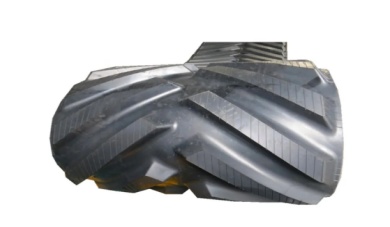
The tread design of a 36’’ rubber track greatly influences traction, stability, and wear resistance. Manufacturers offer different tread types for various applications:
Block Tread: Common for mixed surfaces, offering balanced traction and smooth operation.
Zigzag Tread: Improves grip on muddy or loose ground while maintaining flexibility.
Straight Bar Tread: Designed for maximum traction in soft soil or agricultural environments.
Multi-Bar Tread: Reduces vibration and enhances comfort for on-road or hard-surface use.
Choosing the right tread pattern helps optimize machine performance for the intended working environment. For example, an excavator used on rocky terrain might benefit from a deeper, more aggressive tread, while a landscaping loader may perform better with a less aggressive pattern to protect delicate surfaces.
6. Enhanced Operator Comfort and Machine Longevity
Beyond traction and stability, 36’’ rubber tracks improve overall operational comfort and protect the machinery’s structural integrity.
Rubber’s flexibility acts as a natural shock absorber, reducing vibration transmission to the machine’s frame and cabin. This not only makes operation smoother and less fatiguing for drivers but also prevents excessive wear on key components such as the undercarriage, hydraulic arms, and cab mounts.
Key benefits include:
Reduced Vibration: Less strain on the operator and longer component life.
Lower Noise Levels: Ideal for urban construction where sound restrictions apply.
Improved Suspension Feel: Smoother handling across bumps and uneven surfaces.
Over time, these advantages translate into lower maintenance costs, extended machine lifespan, and higher overall productivity.
7. Maintenance Tips for 36'' Rubber Tracks
Proper maintenance ensures your 36’’ rubber tracks deliver long-lasting performance. While they are designed for durability, neglect can lead to premature wear or track failure. Here are key maintenance practices:
Keep Tracks Clean: Remove mud, rocks, and debris after every use. Foreign materials can accelerate wear and tear.
Check Tension Regularly: Both over-tight and loose tracks can cause damage. Follow the manufacturer’s tension guidelines for optimal performance.
Inspect for Cuts or Tears: Small punctures or cracks can expand under stress. Repair them early to prevent full replacement.
Avoid Sharp Turns on Hard Surfaces: Doing so increases stress on the rubber and can cause uneven wear.
Rotate Usage: If possible, switch machines or directions periodically to even out wear patterns.
Store Properly: When idle, park the machine on a clean, dry surface away from direct sunlight to prevent rubber degradation.
With regular care, a high-quality 36’’ rubber track can last thousands of operational hours while maintaining peak traction and stability.
8. Applications of 36'' Rubber Tracks
The versatility of 36-inch rubber tracks makes them suitable for a wide range of machinery and applications, including:
Excavators: For digging and grading on soft or uneven surfaces.
Compact Track Loaders: Providing stable movement and grip during lifting or hauling.
Agricultural Equipment: Protecting soil structure while ensuring traction in muddy fields.
Pavers and Carriers: Enabling smooth operation on asphalt without damaging surfaces.
Forestry and Mining Machinery: Offering flexibility and reduced ground damage in rugged environments.
Their adaptability across multiple industries highlights why rubber tracks are increasingly replacing steel alternatives in construction and agricultural sectors.
9. Environmental and Economic Benefits
Another major advantage of 36’’ rubber tracks lies in their environmental and operational efficiency.
Because rubber tracks reduce ground disturbance, they are particularly beneficial for eco-sensitive job sites, landscaping, and agriculture. Their lightweight design reduces fuel consumption, lowering carbon emissions. Additionally, quieter operation contributes to less noise pollution, a significant factor in urban or residential projects.
Economically, the reduced wear on machinery and lower maintenance frequency help minimize operating costs, making rubber tracks a cost-effective long-term investment.
10. Conclusion
The 36'' rubber track represents a perfect blend of traction, stability, and comfort for construction and agricultural machinery. Its wide footprint distributes weight evenly, reducing ground pressure while maximizing grip and stability on uneven or soft surfaces. Beyond functional advantages, rubber tracks also improve operator comfort, reduce equipment wear, and enhance fuel efficiency — making them an intelligent choice for modern construction fleets.
Whether you’re managing an excavation project, maintaining landscapes, or operating heavy loaders, upgrading to 36-inch rubber tracks can significantly improve both performance and safety.
For high-quality, durable 36’’ rubber tracks, consider exploring the range offered by Shandong Bolin Machinery Co., Ltd. The company provides precision-engineered rubber tracks designed for superior traction, extended lifespan, and reliable performance across diverse terrains. To learn more or discuss your equipment needs, visit their website or reach out to their professional team for expert assistance.


