Excavators work hard every day, but their performance often depends on the undercarriage. Excavator Undercarriage Parts carry heavy loads and face constant wear. In fact, the undercarriage can make up a large share of maintenance costs. In this guide, you will learn how to choose the right parts, judge their quality, and extend the life of your excavator’s undercarriage.
Key Excavator Undercarriage Parts and Their Functions
Excavator undercarriage parts work together to support the machine’s weight while converting engine power into controlled movement across different terrain. In real jobsite conditions, the durability and performance of these components directly affect traction, stability, and operating efficiency. Operators typically focus on how the track system distributes load, maintains alignment, and resists wear under continuous stress.
Instead of viewing these components individually, it is more useful to understand how each part contributes to the overall track system. Track chains and shoes carry most of the machine’s weight, rollers stabilize track movement, and sprockets and idlers ensure proper power transfer and alignment. When these elements function together correctly, the excavator maintains smoother travel, better traction, and more predictable wear patterns during long operating cycles.
Track Chains and Track Shoes: The Core Load-Bearing Components
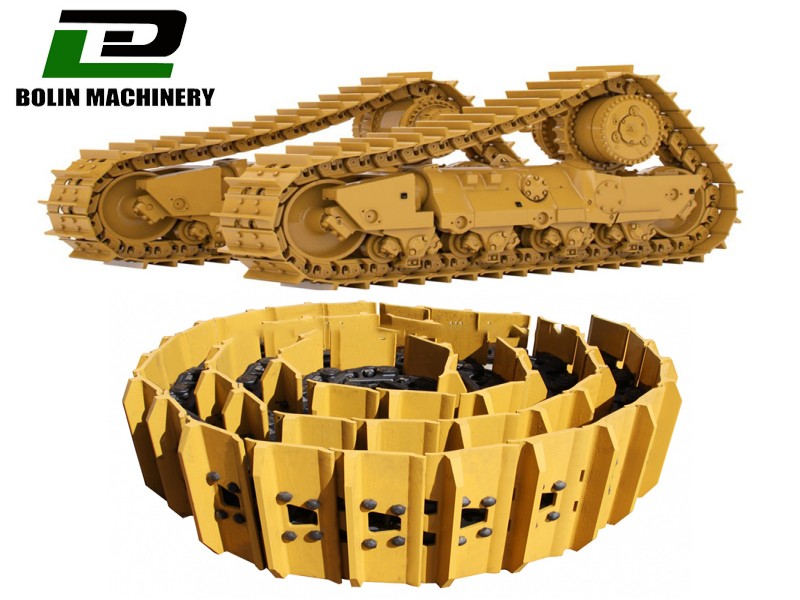
Track chains and track shoes form the primary load-bearing structure of the undercarriage. In daily operation, they support the excavator’s entire weight while transferring driving force from the final drive to the ground. Because these parts are constantly in contact with the terrain, their design directly influences traction, stability, and how evenly the machine distributes pressure across the surface.
Track chains create the continuous track system that allows the excavator to move, while track shoes provide the contact area with the ground. Shoe width and design affect both traction and ground pressure. Wider shoes distribute machine weight over a larger surface area, which can improve stability on soft ground. Narrower or reinforced shoes are often preferred in rocky conditions where durability and grip are more critical than flotation.
When evaluating these components, operators often consider:
● Track shoe width, which affects ground pressure and flotation
● Chain durability, including the strength of links, pins, and bushings
● Shoe design, which influences traction depending on terrain conditions
Rollers and Carrier Rollers: Supporting Machine Stability
Rollers and carrier rollers help maintain consistent track movement while distributing the excavator’s weight along the undercarriage frame. Bottom rollers carry a large portion of the machine load and guide the track chain as it moves along the ground. Carrier rollers, positioned on the upper frame, support the upper section of the track and prevent excessive sag.
In real operating conditions, these components play a major role in maintaining machine stability. Properly functioning rollers keep the track aligned with the frame and reduce vibration during travel. When rollers wear unevenly or lose lubrication, the track chain may begin to shift or create irregular movement, which can accelerate wear on other undercarriage parts.
Typical wear patterns often appear on the roller surface where it contacts the track chain. Excessive wear or flat spots can lead to misalignment, increased friction, and reduced travel efficiency, making regular inspection important for maintaining overall undercarriage performance.
Idlers and Sprockets: Maintaining Alignment and Power Transmission
Idlers and sprockets control two critical aspects of the undercarriage system: track alignment and power transmission. The front idler helps maintain correct track tension by guiding the track chain and absorbing part of the operational load. Proper tension keeps the track system stable and reduces the risk of the chain slipping or derailing during operation.
Sprockets are connected to the final drive and are responsible for transferring engine power to the track chain. Their teeth engage with the chain links and pull the track around the undercarriage system, allowing the excavator to move forward or backward. Consistent engagement between sprocket teeth and chain links is essential for efficient power transfer.
Wear on sprocket teeth or idler surfaces can gradually affect alignment and track tension. As these components degrade, the track chain may experience uneven movement, which increases stress on rollers and chains. Monitoring wear on these parts helps maintain smoother operation and prevents accelerated damage across the entire undercarriage system.
How to Choose Excavator Undercarriage Parts for Different Working Conditions
Selecting excavator undercarriage parts usually starts with evaluating the terrain where the machine will operate most frequently. Ground conditions influence traction, load distribution, and the rate at which components wear. Operators working across varied environments often adjust track shoe width, chain sealing systems, and material durability to match the stresses created by different surfaces.
Terrain | Recommended Undercarriage Setup |
Soft soil | Wide track shoes |
Rocky terrain | Narrow reinforced shoes |
Sand / gravel | Hardened materials |
Instead of choosing components based only on specifications, contractors typically consider how the undercarriage interacts with the ground. Factors such as ground pressure, shock loads, and exposure to abrasive materials determine which configuration performs best. Matching the track system to jobsite conditions helps maintain stability, reduce uneven wear, and extend the service life of chains, rollers, and bushings.
Selecting Undercarriage Parts for Soft Soil or Wet Terrain
Machines operating on muddy construction sites, wetlands, or loose soil often struggle with traction and excessive track penetration. In these conditions, lowering ground pressure becomes a priority. Undercarriage setups designed for flotation allow the excavator to move across soft terrain without sinking or losing stability during travel.
Wide track shoes are commonly used because they spread the machine’s weight across a larger surface area. This wider contact patch reduces ground pressure and improves stability on soft ground. Wet environments also introduce mud and water into the track system, increasing the risk of internal wear if chain components are not protected.
Common configurations for soft or wet terrain include:
● Wide track shoes, which distribute machine weight and improve flotation
● Sealed track chains, designed to protect pins and bushings from mud, moisture, and debris contamination
These features help maintain smoother track movement while reducing premature wear in saturated ground conditions.
Choosing Undercarriage Components for Rocky or Heavy-Duty Jobsites
Rocky terrain and demolition sites create frequent impact loads that place significant stress on undercarriage components. Wide shoes that work well in soft ground may bend or crack when repeatedly striking rocks or debris. In these environments, durability and structural strength typically matter more than flotation.
Narrow reinforced track shoes are often selected because their smaller contact surface improves penetration on uneven ground while maintaining stronger rigidity. Reinforced shoe plates are better able to withstand repeated impacts from hard surfaces without deforming.
Heavy-duty track chains and rollers are typically paired with these shoes to manage higher shock loads. Stronger chain links and reinforced roller assemblies help distribute impact forces across the undercarriage frame, keeping the track system aligned during demanding excavation work.
Excavator Undercarriage Parts for Abrasive Environments (Sand and Gravel)
Excavators working in sand pits, gravel quarries, or aggregate processing sites face constant abrasive friction. Fine particles accumulate between moving components and gradually wear down metal surfaces. In these environments, the material hardness and sealing design of undercarriage parts become critical factors.
Components manufactured with high-hardness materials generally resist abrasion more effectively. Heat-treated track links, rollers, and sprocket surfaces maintain their shape longer when exposed to continuous grinding contact with sand or small stones.
Sealed bushings and wear-resistant designs also help limit contamination inside the track chain assembly. By preventing abrasive particles from entering internal joints, sealed systems reduce friction and slow down internal wear. This combination of hardened materials and effective sealing allows the undercarriage to maintain smoother operation during long working cycles in abrasive terrain.
How to Identify High-Quality Excavator Undercarriage Parts
When selecting excavator undercarriage parts, buyers often look beyond price and focus on indicators that affect durability and compatibility. Material quality, manufacturing methods, dimensional precision, and supplier reliability all influence how long components last under heavy workloads. In real operating conditions, small differences in material strength or machining accuracy can determine whether parts wear evenly or fail prematurely.
Experienced contractors typically evaluate undercarriage parts by examining both the engineering details and the manufacturer’s quality control standards. Factors such as steel composition, heat treatment consistency, and component alignment directly affect wear resistance and track system stability. Understanding these indicators helps equipment owners choose parts that maintain performance over long operating cycles.
Material and Manufacturing Processes That Improve Durability
The durability of excavator undercarriage components is closely linked to the materials and manufacturing methods used during production. High-quality parts are commonly produced from alloy steel designed to withstand heavy loads, repeated impact, and continuous friction against the ground. Alloy steel provides stronger resistance to cracking and deformation compared with lower-grade materials often used in cheaper components.
Manufacturing processes also influence structural strength. Forged components generally offer better internal grain structure and higher toughness than cast parts. During forging, the metal is compressed under high pressure, creating a denser structure that improves fatigue resistance. Casting can be more economical but may produce internal defects that weaken load-bearing components over time.
For buyers evaluating durability, two factors are usually examined:
● Alloy steel composition, which improves strength and resistance to deformation
● Forged manufacturing processes, which enhance structural integrity compared with casting
These characteristics often indicate components designed for demanding excavation environments.
Heat Treatment and Hardness Standards
Heat treatment plays a crucial role in determining how well undercarriage parts resist wear. Proper heat treatment strengthens the outer surface of components while maintaining internal toughness, allowing parts such as track links, bushings, and rollers to withstand continuous contact with abrasive materials.
Uniform heat treatment is particularly important. Inconsistent hardening can create weak zones where cracks or excessive wear begin to develop. Manufacturers with well-controlled heat treatment processes maintain consistent hardness across critical wear surfaces, improving the lifespan of the entire track system.
Typical wear-resistant components follow hardness standards designed to balance durability and flexibility. Surfaces that are too soft wear quickly, while excessively hard materials can become brittle under heavy impact. Maintaining appropriate hardness levels allows parts to resist abrasion while still absorbing shock loads during operation.
Dimensional Precision and Compatibility with Excavator Models
Accurate machining and dimensional precision are essential for ensuring that undercarriage components fit correctly within the track system. Even small alignment errors in track pitch, bolt hole spacing, or roller positioning can lead to uneven load distribution during operation. Over time, these misalignments accelerate wear across chains, rollers, and sprockets.
When evaluating replacement parts, contractors often verify whether the component dimensions match the original equipment specifications. Proper track pitch ensures smooth engagement between chain links and sprocket teeth, while precise bolt hole alignment allows track shoes to sit evenly on the chain assembly.
Precision manufacturing helps prevent abnormal wear patterns by keeping the entire track system properly aligned. When components fit accurately, forces are distributed more evenly throughout the undercarriage, reducing stress on individual parts and maintaining stable machine movement.
Certifications and Warranty Indicators
Certifications and warranty policies often provide additional signals about the reliability of excavator undercarriage parts. Manufacturers that comply with recognized quality management standards typically maintain stricter production controls and material traceability throughout the manufacturing process.
Industry certifications such as ISO quality management systems or CE compliance indicate that the manufacturer follows standardized production and inspection procedures. While certification alone does not guarantee superior performance, it usually reflects consistent manufacturing practices and documented quality assurance processes.
Warranty coverage can also help buyers assess supplier confidence in their products. Reliable manufacturers commonly provide clear warranty terms for track chains, rollers, and other undercarriage components. Transparent warranty policies suggest that the supplier has established testing procedures and expects their parts to perform reliably under normal operating conditions.
Maintenance Tips to Extend the Life of Excavator Undercarriage Parts
Extending the lifespan of excavator undercarriage parts depends largely on daily operating habits and routine maintenance practices. In real jobsite conditions, undercarriage components often account for a large portion of equipment wear costs. Operators who monitor track tension, adjust driving behavior, and perform regular cleaning typically see significantly slower wear on chains, rollers, and sprockets.
Instead of focusing only on replacement schedules, many contractors prioritize preventive maintenance. Proper track adjustment, smoother machine movement, and early inspection of wear points help distribute stress more evenly across the undercarriage system. Small operational adjustments can reduce friction and impact loads, which helps keep components working reliably over longer service intervals.
Maintaining Proper Track Tension
Correct track tension is one of the most important factors affecting undercarriage durability. Tracks that are too tight place excessive stress on rollers, idlers, and sprockets, accelerating wear on both the track chain and surrounding components. Overly tight tracks can also increase fuel consumption because the machine must overcome additional resistance during travel.
Loose tracks create a different set of problems. When tension is insufficient, the track chain may sag excessively and increase the risk of derailment, especially when turning or operating on uneven ground. Loose tracks also allow more debris to enter the track system, which can lead to uneven wear patterns over time.
Track Condition | Operational Impact |
Too tight | Accelerated roller and sprocket wear |
Too loose | Risk of track derailment |
Operators usually check track tension regularly, especially when working in muddy or rocky environments where debris can affect adjustment levels. Maintaining balanced tension allows the track system to move smoothly while reducing unnecessary stress on key undercarriage components.
Operating Practices That Reduce Undercarriage Wear
Daily operating habits can significantly influence how quickly undercarriage parts wear out. Sudden directional changes or aggressive machine movement often create additional friction between track components and the ground. Over time, these stresses accelerate wear on track shoes, chains, and rollers.
Two driving behaviors are commonly linked to faster undercarriage wear:
● Frequent counter-rotation, which places high lateral stress on track chains and shoes
● High-speed reverse travel, which increases friction and shock loads on the undercarriage system
Operators who use smoother turning techniques and maintain moderate travel speeds often extend the service life of their track components. Controlled machine movement reduces unnecessary strain on the track system and helps maintain more even wear patterns across the undercarriage.
Daily Cleaning and Inspection
Mud, gravel, and construction debris frequently accumulate around undercarriage components during operation. When this material becomes trapped between track parts, it increases friction and may cause uneven pressure on rollers or sprockets. Regular cleaning helps prevent debris from accelerating wear on moving components.
Removing compacted mud or rocks from the track assembly also allows operators to inspect the condition of key components more clearly. Visual checks often reveal early signs of damage such as worn track shoes, cracked bushings, or uneven roller surfaces.
Routine inspection and cleaning provide an opportunity to detect small issues before they develop into major mechanical problems. Identifying abnormal wear early helps maintain proper alignment of the undercarriage system and reduces the likelihood of costly repairs or unexpected downtime.
Conclusion
Choosing the right Excavator Undercarriage Parts improves machine performance and controls long-term costs. This guide explained how to match parts with working conditions, verify component quality, and maintain proper operation. With reliable products and professional support from Shandong Bolin Machinery Co., Ltd., operators can extend undercarriage life, improve efficiency, and gain better value from their equipment.
FAQ
Q: How do you choose the right Excavator Undercarriage Parts?
A: Select Excavator Undercarriage Parts based on terrain, machine model compatibility, and expected wear conditions.
Q: What affects the lifespan of Excavator Undercarriage Parts?
A: Proper maintenance, track tension, and operating practices directly influence Excavator Undercarriage Parts lifespan.
Q: Why is compatibility important for Excavator Undercarriage Parts?
A: Correct Excavator Undercarriage Parts dimensions ensure proper alignment and reduce abnormal wear.
Q: How often should Excavator Undercarriage Parts be inspected?
A: Inspect Excavator Undercarriage Parts daily for debris buildup, wear patterns, and early component damage.


