Maintenance costs often consume a large share of heavy equipment budgets. Yet many companies focus only on purchase price. They overlook how component quality affects long-term expenses. One key part is the Track Roller, which supports weight and guides the track system. In this article, you will learn why investing in a high-quality Track Roller can reduce maintenance costs and improve equipment reliability.
Why Track Rollers Have a Major Impact on Maintenance Costs
Track Rollers as a Core Load-Bearing Component
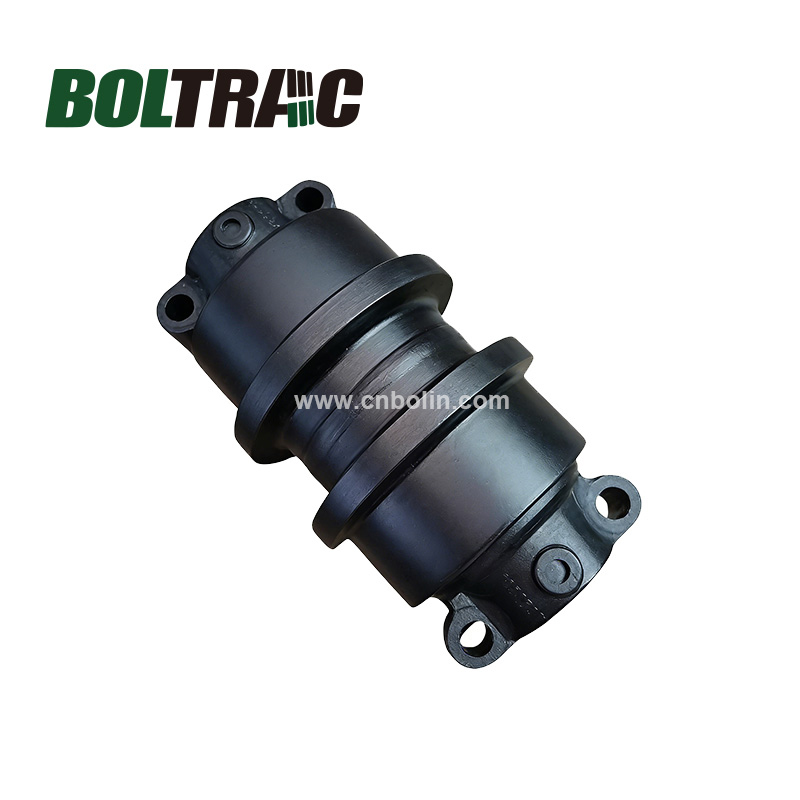
In tracked machinery such as excavators, bulldozers, and milling machines, track rollers function as one of the primary load-bearing elements in the undercarriage system. Positioned along the lower frame, these rollers carry the machine’s weight and allow the track chain to move smoothly as the equipment travels across rough or uneven terrain.
Because track rollers operate under continuous pressure, friction, and impact, their condition has a direct influence on the durability of the entire track assembly. When rollers maintain stable rotation and proper alignment, the machine’s weight is distributed evenly across the track chain. This balanced load helps reduce unnecessary stress on other undercarriage components such as sprockets, bushings, and track links.
However, when track rollers begin to wear excessively or lose precision, the track system may experience misalignment and uneven force distribution. These issues increase friction within the undercarriage and accelerate wear on multiple components, eventually leading to more frequent repairs, part replacements, and higher overall maintenance costs.
The Real Cost of Using Low-Quality Track Rollers
At first glance, purchasing cheaper track rollers may appear to reduce equipment expenses. In practice, however, these short-term savings often lead to higher operating costs once machines begin working in demanding environments. Track rollers continuously carry heavy loads while guiding the track chain across uneven terrain, which makes durability and precision essential. When inferior components wear out prematurely, equipment owners often face repeated maintenance work, reduced operational efficiency, and a gradual increase in total maintenance spending.
Frequent Replacement and Shorter Service Life
Track rollers produced with lower-grade materials or inconsistent manufacturing processes typically have a shorter operational lifespan. Continuous exposure to pressure, vibration, and abrasive debris accelerates wear on the roller surface and internal bearings. Instead of lasting through long service intervals, these components may require replacement far earlier than expected.
Every replacement involves several cost elements beyond the part itself, including technician labor, equipment downtime, and inspection of the surrounding undercarriage system. Over time, these repeated service events significantly increase the total cost of maintenance.
Maintenance Item | Typical Cost Range (per repair) | Cost Impact |
Track roller replacement | $150 – $500 per roller | Parts cost increases with frequent replacement |
Labor and service time | $200 – $600 | Technician labor and equipment downtime |
Undercarriage inspection | $100 – $300 | Additional diagnostic and maintenance work |
Increased Downtime and Operational Disruptions
Unexpected roller failures rarely occur during planned maintenance schedules. When a roller becomes damaged or misaligned, the machine may need to stop immediately so technicians can inspect the undercarriage system. On construction or infrastructure projects where machines operate as part of coordinated workflows, even short interruptions can slow down multiple tasks.
Downtime also generates indirect costs. Operators remain idle while repairs are performed, project schedules may shift, and equipment availability decreases. Over time, these operational disruptions can have a noticeable impact on productivity.
Reduced Equipment Efficiency and Higher Fuel Consumption
Uneven roller wear increases friction inside the track system. Instead of rotating smoothly, worn rollers create resistance that forces the drive components to work harder. The machine must apply more energy to maintain the same level of performance.
As mechanical resistance rises, engine load increases as well. Equipment that operates long hours under heavy workloads may consume noticeably more fuel, gradually increasing daily operating expenses.
Higher Long-Term Maintenance Budgets
The financial impact of inferior rollers often appears gradually rather than immediately. Premature roller wear frequently accelerates deterioration in surrounding undercarriage components such as sprockets, bushings, and track links. Once these parts begin to wear unevenly, maintenance teams may need to replace several components instead of a single roller.
As the repair cycle repeats, maintenance budgets expand beyond routine service expectations. Equipment owners who initially saved on cheaper rollers often find that total maintenance spending rises significantly over the machine’s service life.
What Makes a High-Quality Track Roller Worth the Investment
When evaluating undercarriage components, the difference between a standard track roller and a high-quality one often comes down to engineering precision and durability rather than visible appearance. In industries such as construction, mining, and roadwork, track rollers operate under continuous load, vibration, and exposure to abrasive materials like soil, gravel, and debris. Under these demanding conditions, poorly designed components tend to wear quickly and disrupt the performance of the entire undercarriage system.
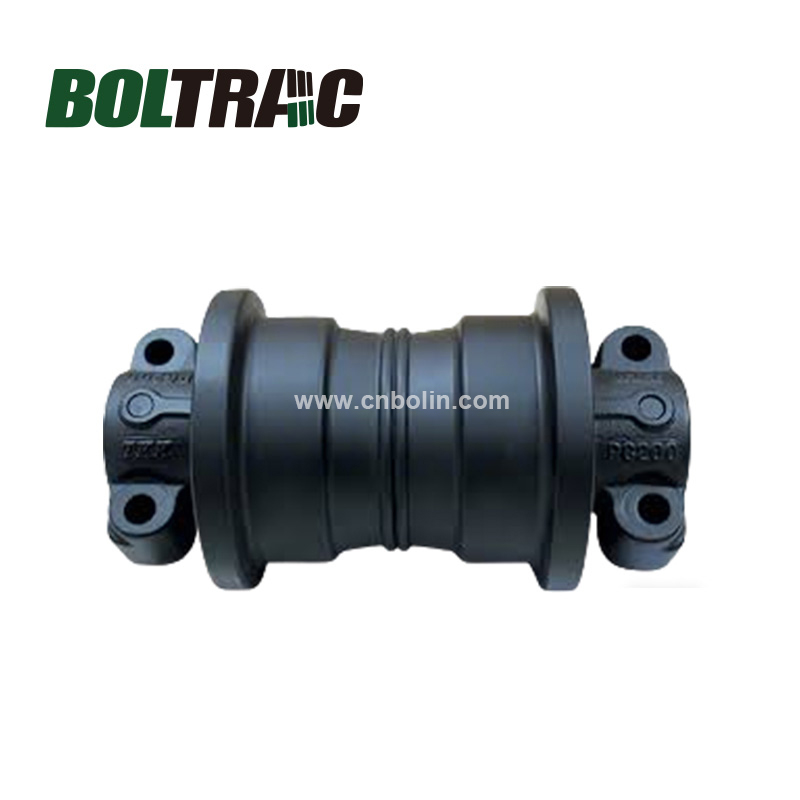
A well-engineered track roller addresses these challenges through stronger materials, precise internal structures, and advanced sealing technologies. These features help maintain stable rotation, distribute machine weight effectively, and prevent contamination from entering the internal mechanism. Over time, such design improvements contribute to longer service intervals and more predictable equipment performance, making high-quality rollers a more practical investment for long-term operations.
Durable Materials and Advanced Heat Treatment
Material selection is one of the most critical factors influencing the lifespan of a track roller. High-quality rollers are commonly produced from high-strength alloy steels specifically designed to withstand repeated impact, heavy loads, and abrasive operating environments. Compared with ordinary steel components, these alloys provide superior resistance to surface wear, structural deformation, and fatigue failure during extended operation.
However, material strength alone does not guarantee durability. Advanced heat treatment processes play an equally important role in enhancing performance. Techniques such as quenching and controlled tempering increase surface hardness while preserving internal toughness, allowing the roller to resist cracking under heavy stress. This balance between hardness and toughness is essential in environments where rollers frequently encounter shock loads and abrasive particles.
From an engineering perspective, the combination of alloy materials and controlled heat treatment provides several advantages:
● Improved resistance to abrasive wear
● Greater structural stability under heavy loads
● Reduced risk of surface cracking or deformation
● Longer operational lifespan in demanding environments
These material improvements help maintain consistent roller performance even when machines operate continuously across rough terrain.
Precision Bearings and Smooth Rotation Design
The internal bearing system is another key factor that determines the reliability of a track roller. Inside the roller assembly, precision-engineered bearings support the rotational movement while carrying significant machine weight. High-quality rollers typically use tapered or heavy-duty bearing designs that distribute loads evenly and maintain stable rotation under pressure.
Smooth rotation is essential for maintaining proper track alignment and reducing mechanical resistance within the undercarriage system. When bearings function efficiently, the roller can rotate with minimal friction, allowing the track chain to move evenly across the undercarriage frame. This reduces vibration and prevents irregular stress from developing in other components such as sprockets, bushings, and track links.
Consistent rotational performance also contributes to better overall equipment efficiency. Reduced friction means the drive system experiences less strain, which can help maintain stable machine movement and prevent premature wear in related mechanical parts. Over long operating cycles, these small mechanical improvements accumulate into measurable gains in reliability and maintenance intervals.
Reliable Sealing and Lubrication Systems
Even a well-designed roller can fail prematurely if contaminants penetrate its internal mechanism. Construction and mining environments often contain mud, dust, water, and abrasive particles that can quickly damage bearings or reduce lubrication effectiveness. Without proper sealing, these contaminants may enter the roller housing and accelerate internal wear.
To address this risk, high-quality track rollers incorporate robust sealing and lubrication systems designed to protect internal components during operation. Multi-layer sealing structures help prevent debris and moisture from entering the roller while maintaining stable internal pressure. At the same time, these seals ensure that lubricants remain inside the assembly, allowing bearings and internal surfaces to operate smoothly.
Proper lubrication is essential for minimizing friction and heat buildup during continuous operation. High-performance lubricants combined with reliable sealing systems help maintain stable rotation and protect internal components from premature wear. In demanding work environments where equipment is exposed to moisture, dust, and debris on a daily basis, these protective design features play a crucial role in maintaining the long-term durability of the roller assembly.
How to Choose Track Roller Components for Long-Term Cost Savings
Selecting the right track roller components is not simply a matter of purchasing a compatible part. For equipment that operates under constant load and abrasive conditions, the quality of these components directly affects operating costs over time. A well-chosen roller can extend service intervals, protect the undercarriage system, and reduce unplanned maintenance. When evaluating options, it helps to focus on measurable performance indicators, supplier capabilities, and long-term operating considerations rather than the purchase price alone.
Evaluating Track Roller Quality Indicators
Several technical indicators can help determine whether a track roller is built for long-term reliability. Wear resistance is one of the most critical factors because rollers remain in continuous contact with the track chain. Materials and surface treatment influence how well the component withstands abrasion over time.
Load capacity is another key consideration. Rollers must support the full weight of the machine while maintaining stable rotation, particularly in heavy-duty applications. At the same time, smooth rotational performance helps minimize friction within the track system, reducing strain on the drive mechanism. Impact resistance also plays a role, especially in environments where machines regularly encounter rocks, debris, or uneven terrain. When these factors are balanced, the roller is more likely to maintain stable performance throughout its service life.
Selecting a Reliable Track Roller Manufacturer
Beyond the product itself, the capabilities of the manufacturer can significantly influence roller quality. Suppliers that invest in advanced manufacturing technology—such as multi-axis CNC machining or automated production lines—tend to produce components with tighter tolerances and more consistent performance.
Equally important are quality assurance practices. Reputable manufacturers typically implement multiple inspection stages, including material verification, dimensional testing, and dynamic performance checks. Certifications or adherence to recognized industry standards can also indicate that the manufacturer follows established quality control procedures, which helps ensure reliability in demanding operating conditions.
Considering Total Cost of Ownership Instead of Purchase Price
When purchasing undercarriage components, the lowest initial price does not always represent the most economical choice. A roller that costs less upfront but wears out quickly may lead to more frequent replacements, higher labor costs, and increased machine downtime. Over the lifespan of the equipment, these additional expenses often exceed the difference in purchase price.
Cost Consideration | Lower-Cost Track Roller | High-Quality Track Roller |
Initial purchase price | ~$120–$250 per roller | ~$300–$600 per roller |
Average service life | ~1,000–2,000 operating hours | ~4,000–6,000 operating hours |
Replacement frequency (per year)* | 2–3 replacements | 1 replacement or less |
Estimated annual maintenance cost | ~$800–$1,500 | ~$400–$700 |
Evaluating components from a total cost perspective helps equipment owners avoid decisions that appear economical initially but become costly during long-term operation.
Maintenance Practices That Extend Track Roller Life
Even well-designed rollers require proper maintenance to achieve their expected lifespan. Regular inspection allows technicians to detect early signs of uneven wear, oil leakage, or abnormal vibration before they lead to more serious undercarriage problems.
Maintaining adequate lubrication is equally important because it reduces internal friction and protects bearings from premature wear. Another common maintenance practice involves avoiding the installation of new rollers alongside heavily worn ones on the same side of the machine. Uneven component conditions can cause irregular load distribution, which accelerates wear and shortens the service life of newly installed parts.
Conclusion
Track Roller components strongly influence maintenance costs in tracked equipment. High-quality rollers help extend undercarriage life, reduce downtime, and maintain stable machine performance. Investing in durable components is therefore a practical long-term strategy. Shandong Bolin Machinery Co., Ltd. provides reliable Track Roller products with strong materials and precise engineering, helping customers improve efficiency and control maintenance expenses.
FAQ
Q: What does a Track Roller do in tracked machinery?
A: A Track Roller supports machine weight and guides the track chain, helping maintain alignment and reduce undercarriage wear.
Q: How long should a Track Roller typically last?
A: A Track Roller typically lasts 3,000–6,000 operating hours, depending on load, terrain conditions, and maintenance practices.
Q: Why does Track Roller quality affect maintenance costs?
A: A high-quality Track Roller reduces friction, prevents uneven wear, and lowers the frequency of undercarriage repairs.
Q: What factors indicate a high-quality Track Roller?
A: Key indicators include hardened alloy steel, reliable sealing, precision bearings, and consistent rotational performance.


