Bulldozers are crucial machines in a variety of industries, including construction, mining, and agriculture. They are used to perform tasks that require heavy-duty lifting, pushing, and grading. One of the key components that enable bulldozers to perform these tasks efficiently is the track shoe. Track shoes provide the necessary stability, traction, and mobility for bulldozers to operate in diverse environments, from rocky terrains to soft, muddy grounds. Understanding how bulldozer track shoes work is essential for maximizing the performance and longevity of these machines.
1. What Is a Bulldozer Track Shoe?
Definition and Purpose of Track Shoes
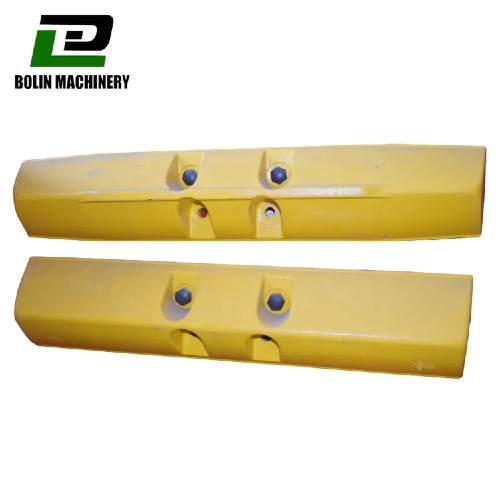
A bulldozer track shoe is a metal or composite component attached to the undercarriage of a bulldozer, part of its track system. These track shoes serve several key functions:
They provide the traction necessary for bulldozers to move across different terrains.
They distribute the bulldozer's weight evenly, ensuring stability and preventing the machine from sinking.
They allow bulldozers to perform efficiently in various environments, including soft, rocky, or uneven surfaces.
Track shoes are often made of durable materials such as steel, rubber, or a combination of both. The material choice depends on the specific application and environmental conditions the bulldozer is expected to operate in.
Types of Bulldozer Track Shoes
Bulldozer track shoes come in different shapes, sizes, and materials, each designed to meet the needs of specific terrains and operating conditions. Some common types include:
Standard Steel Track Shoes: Typically used in rugged, rocky, or hard terrains, offering high durability and strength.
Rubber Track Shoes: Designed for applications where minimal damage to sensitive surfaces is necessary, such as urban environments or areas requiring reduced ground pressure.
Triangular Track Shoes: Ideal for swampy, muddy, or wet conditions, offering enhanced flotation and stability.
2. The Role of Bulldozer Track Shoes in Weight Distribution
Ensuring Even Weight Distribution
The primary role of a bulldozer track shoe is to distribute the bulldozer's weight evenly across the surface it operates on. Without track shoes, the weight of the bulldozer would be concentrated at specific points, which could cause the machine to sink into soft ground or destabilize on uneven surfaces.
Track shoes help mitigate this risk by increasing the surface area in contact with the ground, which spreads the bulldozer's weight over a larger area. This is particularly important when operating on soft ground, such as marshes, wetlands, or unpaved construction sites.
Track Shoe Type | Surface Area Contact | Purpose | Ideal Terrain |
Steel Track Shoes | Moderate | Provides strength and durability | Rocky, hard terrains |
Rubber Track Shoes | High | Minimizes ground pressure, suitable for urban work | Sensitive surfaces, lawns |
Triangular Track Shoes | High | Spreads weight to avoid sinking, enhances flotation | Marshy, soft, and muddy |
Reducing Ground Pressure
Track shoes help to reduce ground pressure, which is the force exerted on the surface by the bulldozer’s weight. High ground pressure can cause significant damage to sensitive terrains, such as agricultural lands or wetlands. Triangular track shoes, in particular, are designed to reduce ground pressure significantly, allowing bulldozers to operate in these delicate environments without causing damage.
For example, triangular track shoes are designed to provide a broader contact area with the ground, which reduces the pressure exerted on any single point. This helps maintain the integrity of the ground, preventing soil compaction, erosion, or damage to vegetation.
3. How Bulldozer Track Shoes Provide Traction and Grip
Enhancing Traction on Various Terrains
One of the critical functions of a bulldozer track shoe is to provide traction. The treads and edges of track shoes are designed to dig into the surface, allowing the bulldozer to move forward with minimal slippage. This is particularly important when bulldozers are working on slippery surfaces such as mud, snow, or ice.
Track shoes are engineered with specific patterns and designs that enhance grip. The tread patterns are often studded, providing greater traction in wet or slippery conditions. Some track shoes also have angled edges that act like cleats, allowing the bulldozer to grip the surface and push material more efficiently.
Features That Improve Grip
Tread Patterns: Treads are designed to bite into the surface, creating more contact points and enhancing grip.
Angled Edges: These edges are designed to dig into the ground, particularly in challenging conditions like snow or wet ground.
Rubber Inserts: Some track shoes feature rubber inserts that reduce slippage, especially on urban or asphalt surfaces.
4. The Impact of Track Shoes on Bulldozer Mobility
Maneuvering Through Difficult Terrains
The mobility of a bulldozer is heavily influenced by the type of track shoe used. Bulldozers are frequently required to work in tight spaces, on uneven or rough ground, or on surfaces that are not stable. Track shoes, especially those designed with a wide footprint or triangular shape, help improve bulldozer maneuverability in these environments.
Wide Track Shoes: Increase the bulldozer’s footprint, allowing it to distribute weight more evenly and move easily over soft surfaces without sinking.
Triangular Track Shoes: Improve the bulldozer's flotation and prevent it from becoming stuck in soft or marshy areas.
How Track Shoes Affect Movement in Difficult Spaces
When operating on rough terrain, the shape and design of track shoes directly impact the bulldozer's ability to maneuver. Triangular track shoes, for example, allow bulldozers to move more easily in swamps, forests, or muddy construction sites, where regular track shoes might not perform optimally.
Flexibility: The track shoes' ability to adapt to various ground conditions ensures that bulldozers can continue to operate in challenging environments.
Reduced Downtime: With proper track shoes, bulldozers can perform tasks efficiently without frequent stoppages due to getting stuck or bogged down.
5. How Track Shoes Contribute to Bulldozer Stability
Improving Stability in Unstable Environments
Stability is crucial for bulldozers, particularly when working in uneven or unstable environments, such as slopes, soft ground, or construction zones. Track shoes play a vital role in maintaining bulldozer stability by evenly distributing the weight across the surface and preventing the machine from tipping over or sinking.
Wide Footprint: Track shoes with a broader design help increase stability by providing more contact with the ground.
Triangular Track Shoes: These shoes offer enhanced stability, especially on soft or uneven surfaces, by improving the bulldozer's flotation and weight distribution.
The Role of Track Shoes in Safety
Track shoes directly affect the safety of bulldozer operations. A bulldozer that lacks proper track shoes may lose traction, stability, or mobility, leading to dangerous situations. Properly designed track shoes help ensure safe operation in all conditions by preventing slipping, tipping, or getting stuck.
6. Maintenance and Durability of Bulldozer Track Shoes
Importance of Track Shoe Maintenance
Track shoes, like all components of a bulldozer, require regular maintenance to ensure optimal performance. Proper maintenance helps extend the lifespan of the track shoes and the bulldozer, minimizing downtime and repair costs.
Regular Inspections: Inspecting track shoes for wear, cracks, or other damage is critical for maintaining bulldozer performance.
Lubrication: Keeping track shoe components properly lubricated helps reduce friction and wear, prolonging their lifespan.
Common Wear and Tear
Track shoes undergo significant wear and tear, especially when working on abrasive surfaces. Over time, the tread patterns can become worn, reducing the traction of the track shoes. In such cases, replacing the track shoes before they are completely worn down helps maintain bulldozer efficiency.
Wear Type | Effect on Bulldozer | Solution |
Worn Treads | Reduced traction, slippage | Replace or re-groove treads |
Cracks and Damage | Structural integrity compromised | Replace damaged track shoes |
Misalignment | Uneven weight distribution, instability | Regular alignment checks and adjustments |
Durability and Lifespan
The durability of bulldozer track shoes depends on factors such as the material, operating conditions, and maintenance. Steel track shoes are highly durable but may wear down quicker in soft, muddy conditions. Rubber track shoes, while gentler on sensitive surfaces, tend to wear out faster on rocky terrains. Triangular track shoes, however, are designed for long-lasting performance, especially in challenging environments.
7. Technological Advancements in Track Shoe Design
Innovations in Track Shoe Materials
Recent advancements in materials science have led to the development of stronger, more durable track shoes. Modern track shoes use high-performance steel alloys and rubber composites to withstand extreme conditions while maintaining flexibility and strength. These innovations improve the wear resistance, longevity, and overall performance of bulldozer track shoes.
High-strength Steel: Provides enhanced durability and resistance to wear and tear.
Alloy Composites: Offer a stronger weight-to-strength ratio, making track shoes more lightweight without compromising performance.
Rubber Inserts: Used to reduce noise and vibration, especially for softer terrain.
8. Conclusion
Bulldozer track shoes are integral to a bulldozer’s performance, enabling efficient operation by distributing weight, providing superior traction, and enhancing both mobility and stability across various terrains. Whether it's steel, rubber, or triangular track shoes, the right choice directly impacts the bulldozer’s ability to navigate soft, rocky, or uneven ground, improving both performance and safety. The correct track shoe ensures not only operational efficiency but also reduces maintenance costs and downtime, thereby extending the bulldozer’s lifespan.
At Shandong Bolin Machinery Co., Ltd., we specialize in high-quality track shoes designed to meet the unique demands of different industries. Our track shoes are built to withstand harsh conditions, ensuring that your bulldozer operates at its best, no matter the terrain. If you are looking to improve the performance and longevity of your bulldozer, we invite you to explore our solutions. Our team is ready to assist with tailored recommendations and provide the support you need to optimize your equipment’s performance. Reach out to us for more information on how we can enhance your bulldozer’s capabilities.
9. FAQ
How do bulldozer track shoes help distribute weight evenly?
Track shoes increase the surface area in contact with the ground, which helps distribute the bulldozer’s weight evenly, preventing it from sinking or destabilizing.
What are the different types of bulldozer track shoes?
The common types include steel, rubber, and triangular track shoes, each designed for specific terrains and operational needs.
How do track shoes provide traction on challenging terrains?
Track shoes have tread patterns and features like angled edges or rubber inserts that improve grip and prevent slippage, especially on muddy, rocky, or slippery surfaces.
Why are track shoes important for bulldozer stability?
Track shoes ensure even weight distribution, preventing tipping and improving stability, particularly when working on unstable or uneven terrains.
How does regular maintenance affect bulldozer track shoes?
Regular maintenance, including inspection and lubrication, helps extend the lifespan of track shoes, ensuring the bulldozer performs at optimal levels.


