Bulldozers and excavators are two essential pieces of heavy equipment used in various industries, including construction, mining, and agriculture. Both machines are equipped with track shoes that allow them to navigate difficult terrains while providing stability, traction, and mobility. However, the track shoes used in bulldozers and excavators are designed differently to meet the unique needs of each machine. In this article, we will compare bulldozer track shoes with excavator track shoes, highlighting their differences, functions, and key considerations when choosing the right track shoe for your equipment.
1. What Are Track Shoes and Their Role in Heavy Machinery?
Definition of Track Shoes
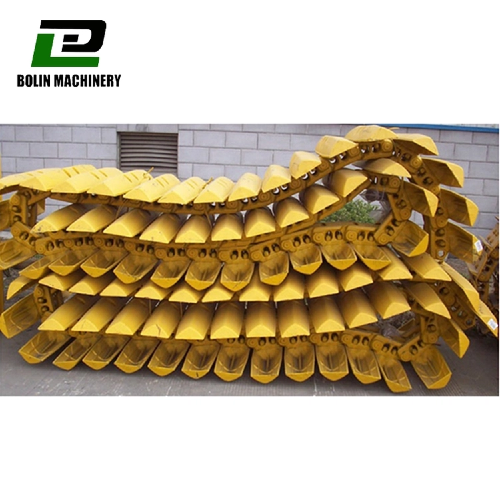
Track shoes are components attached to the undercarriage of a machine, such as bulldozers or excavators. These components are part of the track system, which is crucial for providing mobility and stability to the machine. Track shoes play a significant role in the overall functionality of the equipment by ensuring that it can move efficiently across different surfaces and terrains.
The main functions of track shoes include:
Weight Distribution: Track shoes help distribute the machine’s weight evenly across the ground, reducing pressure and preventing the machine from sinking into soft or uneven terrain.
Traction: Track shoes provide the necessary traction for machines to move, ensuring stability and grip on various surfaces.
Mobility: Track shoes allow machines to move efficiently, even in tight or difficult spaces, enhancing the versatility of heavy machinery.
Ground Protection: Proper track shoes help minimize the impact on the ground, preventing excessive soil compaction and minimizing environmental damage.
Types of Track Shoes
Track shoes are available in several types, each designed to meet specific needs and terrains. The most common types include:
Steel Track Shoes: Used for heavy-duty applications, such as on rocky or rough terrain.
Rubber Track Shoes: Designed for softer surfaces, urban environments, and applications where minimal ground disturbance is desired.
Triangular Track Shoes: Specifically designed for soft, wet, or marshy terrains, offering improved flotation and stability.
2. Key Differences Between Excavator and Bulldozer Track Shoes
a. Design and Shape
The design and shape of track shoes are key factors that differentiate excavator and bulldozer track shoes. These designs are tailored to the specific functions and requirements of each machine.
Bulldozer Track Shoes
Shape: Typically have a wider, more robust design to support the weight of the bulldozer during pushing, grading, and leveling operations.
Function: Built to maximize traction and stability on soft, muddy, or uneven ground. They often feature broader or triangular designs to spread the bulldozer’s weight evenly and reduce ground pressure.
Key Features: The design focuses on durability and stability, as bulldozers are often tasked with pushing large amounts of material over various types of terrain.
Excavator Track Shoes
Shape: Excavator track shoes are generally narrower compared to bulldozer track shoes, as excavators are used for digging and lifting materials.
Function: Primarily designed for mobility and ground protection, excavator track shoes help the machine move easily in tight spaces and perform precision digging without damaging the ground excessively.
Key Features: The design focuses on mobility and maneuverability, with tracks that are optimized for digging in soft or rocky soil.
Machine Type | Track Shoe Shape | Primary Function | Key Feature |
Bulldozer | Wide, robust design | Pushing, grading, leveling | Stability, weight distribution |
Excavator | Narrow, flexible design | Digging, lifting materials | Mobility, ground protection |
b. Material and Durability
The materials used for track shoes play a significant role in their performance and durability. Both excavator and bulldozer track shoes are made from materials designed to withstand the rigors of heavy-duty operations, but the material requirements vary depending on the machine's function.
Bulldozer Track Shoes
Material: Most commonly made from high-strength steel or composite materials. Steel track shoes offer superior durability for bulldozers that are used in rugged, high-load conditions.
Durability: Bulldozer track shoes are designed to withstand harsh conditions, including rocky or abrasive surfaces, where durability is a priority.
Maintenance: Regular wear and tear on bulldozer track shoes is expected, especially when used on challenging terrains. Choosing track shoes made from high-durability materials reduces the need for frequent replacements.
Excavator Track Shoes
Material: Excavator track shoes are typically made from steel or rubber composites, depending on the terrain and usage requirements.
Durability: Excavator track shoes prioritize mobility and protection over extreme durability. Rubber track shoes are often used for applications that require minimal ground disturbance, such as in urban environments or on delicate soil.
Maintenance: Excavator track shoes are subject to wear, but the focus is more on maintaining maneuverability and mobility in different environments rather than heavy-duty durability.
3. The Role of Track Shoes in Excavator Performance
a. Excavator Track Shoes for Mobility
Excavators are used for digging, lifting, and material handling in a wide variety of environments. Track shoes for excavators are specifically designed to provide excellent mobility in tight spaces and on uneven or soft surfaces.
Maneuverability: Excavator track shoes, especially rubber or narrow steel designs, allow for smooth movement in confined spaces or areas with limited accessibility.
Precision: The design of the track shoes ensures that excavators can perform precise digging without causing unnecessary soil disruption or damage.
b. Excavator Track Shoes and Ground Protection
Excavator track shoes play an important role in protecting the ground during digging operations. In urban areas or environmentally sensitive regions, it is essential to minimize the impact on the surface.
Ground Pressure Distribution: Excavator track shoes are designed to spread the machine's weight across a larger surface area, reducing ground pressure and preventing soil compaction or damage to delicate ecosystems.
Sensitive Surfaces: Rubber track shoes, in particular, are ideal for protecting surfaces like roads, lawns, and delicate terrain, where steel shoes might cause damage or leave deep ruts.
4. The Role of Track Shoes in Bulldozer Performance
a. Bulldozer Track Shoes for Stability and Traction
Bulldozers are primarily used for pushing large amounts of material, grading, and leveling surfaces. Track shoes for bulldozers are designed to ensure maximum stability and traction, even in soft or uneven ground.
Stability: The wider design of bulldozer track shoes provides enhanced stability, allowing the machine to remain balanced even when pushing heavy loads on unstable or soft ground.
Traction: The robust design and durable materials of bulldozer track shoes provide the necessary traction to ensure that the machine can move material effectively without slipping.
b. Bulldozer Track Shoes and Ground Pressure
Bulldozers are often used in marshy, muddy, or rocky areas, where ground pressure can become an issue. Specialized bulldozer track shoes, such as triangular designs, help mitigate this problem by distributing weight more evenly.
Weight Distribution: Triangular track shoes for bulldozers spread the machine’s weight over a larger surface area, reducing ground pressure and preventing the machine from getting stuck in soft or marshy ground.
Reduced Environmental Impact: Lower ground pressure means less disruption to the surface, which is especially important in sensitive environments like wetlands or agricultural lands.
5. Key Considerations for Choosing the Right Track Shoe
a. Terrain and Task
Choosing the right track shoe for your machine depends largely on the type of terrain and the task at hand. Bulldozers and excavators often work in different environments, and selecting the appropriate track shoe can significantly impact performance.
Track Shoe Type | Ideal Terrain | Best for Task | Performance Benefits |
Bulldozer Steel Track | Rocky, uneven, high load | Pushing, grading, leveling | High durability, stability |
Excavator Rubber Track | Soft, urban, sensitive soils | Digging, lifting, material handling | Mobility, ground protection |
Bulldozer Triangular | Marshy, soft, muddy | Pushing in soft ground | Weight distribution, flotation |
Excavator Steel Track | Hard, rocky, rugged terrain | Heavy digging, lifting | Durability, precision |
b. Cost vs. Longevity
When choosing between excavator and bulldozer track shoes, the cost and longevity of the track shoes are important considerations. Steel track shoes tend to be more expensive, but their durability in rugged conditions can justify the investment over time. On the other hand, rubber track shoes may have a shorter lifespan but offer better ground protection, making them ideal for sensitive environments.
Excavator Track Shoes: Rubber or steel options provide varying levels of durability and ground protection, with rubber shoes being more cost-effective for urban environments but less durable in tough conditions.
Bulldozer Track Shoes: Steel and triangular track shoes are more durable and better suited for high-load, heavy-duty applications, but they come at a higher initial cost.
6. Maintenance of Excavator and Bulldozer Track Shoes
a. Wear and Tear on Excavator Track Shoes
Excavator track shoes are prone to wear, especially when used on rocky or abrasive surfaces. Regular inspections and maintenance are necessary to ensure that the track shoes remain effective and safe to use.
Inspection: Look for signs of excessive wear, such as worn-out treads or cracks, which can affect the machine's performance.
Lubrication: Regular lubrication helps prevent excessive friction and wear, extending the lifespan of the track shoes.
b. Wear and Tear on Bulldozer Track Shoes
Bulldozer track shoes experience significant stress due to the high loads they carry. Over time, the treads on steel track shoes can become worn down, reducing traction and stability. Regular maintenance is essential for ensuring bulldozer track shoes last as long as possible.
Inspection and Replacement: Inspect the track shoes for signs of excessive wear or damage, especially on rugged terrains.
Cleaning and Lubrication: Regular cleaning and lubrication help prevent premature wear and ensure the track shoes continue to function optimally.
7. Conclusion
While both bulldozer and excavator track shoes are essential for improving performance, mobility, and stability, their designs are tailored to the unique functions of each machine. Bulldozers require track shoes that provide enhanced traction and stability for pushing, grading, and leveling tasks on various surfaces. In contrast, excavators benefit from track shoes that prioritize mobility and ground protection, making them ideal for digging, lifting, and material handling in sensitive environments.
At Shandong Bolin Machinery Co., Ltd., we specialize in providing high-quality track shoes for both bulldozers and excavators. Our products are engineered to maximize the efficiency, safety, and longevity of your equipment, whether you're working on rocky, soft, or uneven terrain. By selecting the right track shoes based on the specific needs of your machinery and operating environment, we help you reduce maintenance costs and increase uptime.
If you're looking to optimize the performance of your heavy machinery, we invite you to reach out to our team for expert advice and high-performance track shoe solutions.
8. FAQ
What is the main difference between excavator and bulldozer track shoes?
Excavator track shoes are designed for mobility and ground protection during digging and lifting, while bulldozer track shoes are built for stability and traction when pushing and grading.
How do the materials of excavator and bulldozer track shoes differ?
Excavator track shoes are often made of rubber or lighter steel composites for flexibility, whereas bulldozer track shoes are typically made from high-strength steel for durability and weight support.
Why are triangular track shoes used in bulldozers?
Triangular track shoes help distribute the bulldozer’s weight more evenly across soft ground, reducing ground pressure and improving flotation in marshy or wet environments.
How does track shoe selection impact machine maintenance costs?
Selecting the right track shoe for the terrain and task can reduce wear and tear, lower maintenance costs, and extend the machine’s lifespan by improving efficiency and reducing the need for frequent replacements.


