Excavators often work on rough ground and under heavy loads. What keeps them stable and moving efficiently in these tough conditions? The answer often lies in the quality of Excavator Undercarriage Parts. In this article, you will learn how premium undercarriage components support machine balance, improve traction, and help increase overall productivity.
How Premium Excavator Undercarriage Parts Improve Machine Stability
Better Weight Distribution Across the Machine
In demanding excavation projects, machine stability often depends on how effectively weight is distributed across the undercarriage system. Uneven load distribution can place excessive pressure on specific components, leading to accelerated wear and unstable machine movement. Premium Excavator Undercarriage Parts, especially precision-manufactured rollers and reinforced track frames, are designed to distribute the excavator’s weight more evenly along the entire track assembly. This balanced load transfer allows the machine to maintain consistent ground contact, which is particularly important when operating on slopes, uneven terrain, or soft ground conditions.
Operators frequently notice the benefits during heavy lifting, trenching, or when the excavator rotates while carrying a loaded bucket. High-quality rollers guide the track chains smoothly, preventing localized pressure points that could damage links, pins, or bushings. By maintaining a more uniform load distribution, premium undercarriage components help protect structural parts of the machine while allowing it to perform reliably under higher operational loads.
Enhanced Traction on Different Terrains
Excavators are designed to work in highly variable environments, including compact soil, muddy construction sites, gravel surfaces, and rocky terrain. Maintaining traction across these surfaces is essential for machine stability and operator control. Premium track shoes within Excavator Undercarriage Parts are engineered with optimized grouser designs that improve ground penetration and grip. This allows the excavator to maintain stable positioning even when operating on slippery or uneven surfaces.
Different site conditions require different track shoe configurations to achieve the best traction performance. For example:
Track Shoe Type | Suitable Terrain | Stability Benefit |
Wider track shoes | Soft soil, swampy ground | Lower ground pressure and improved flotation |
Narrow shoes with deep grousers | Rocky or compact surfaces | Stronger penetration and grip |
Balanced grouser patterns | Mixed construction environments | Stable traction with minimal ground disturbance |
Selecting the correct track shoe design allows operators to maintain better control when traveling, digging, or repositioning the machine. Improved traction reduces slippage, which contributes directly to overall machine stability and safer operation on complex job sites.
Stable Operation During Heavy Tasks
Excavators experience constant shock, vibration, and dynamic loads during digging, lifting, and material handling operations. Premium Excavator Undercarriage Parts are typically produced from high-strength alloy steel and manufactured with tighter machining tolerances. These design improvements allow the undercarriage to absorb operational impact more effectively and reduce the amount of vibration transmitted to the machine structure.
A well-engineered undercarriage also helps maintain proper track alignment and tension during demanding tasks. When rollers, idlers, and track chains function smoothly as a coordinated system, the excavator remains balanced even during high-load operations such as deep trench excavation or rotating with a fully loaded bucket. This improved stability allows operators to maintain precise machine control while reducing fatigue on critical components such as hydraulic cylinders, frames, and swing mechanisms.
Over time, stable undercarriage performance contributes not only to safer machine operation but also to longer service life for major excavator systems. High-quality undercarriage components therefore play a crucial role in maintaining both operational reliability and structural durability in heavy-duty construction environments.
How Premium Undercarriage Components Increase Operational Efficiency
Reduced Mechanical Resistance
On busy construction sites where excavators frequently reposition between digging areas, the efficiency of the undercarriage system becomes a key factor in overall machine productivity. Mechanical resistance within the track assembly directly affects how smoothly the excavator travels and how much energy is required to move it. Premium rollers and precision-machined sprockets are designed to reduce friction within the track system, allowing the track chain to move consistently along the rollers without unnecessary drag or vibration.
High-quality manufacturing processes, such as improved heat treatment and tighter machining tolerances, also contribute to smoother component interaction. When rollers rotate more freely and sprockets engage more precisely with the track chain, internal resistance throughout the undercarriage system decreases. This not only improves travel smoothness but also reduces wear on related components such as bushings, pins, and track links.
Over extended working hours, reduced mechanical resistance allows the excavator to reposition more efficiently between tasks. Operators can move the machine with greater precision, which helps shorten cycle times and maintain steady workflow during large-scale earthmoving or construction operations.
Improved Power Transfer from Engine to Ground
The operational efficiency of an excavator also depends heavily on how effectively engine power is transmitted through the drivetrain and into the track system. Premium undercarriage components improve this power transfer by ensuring more consistent engagement between sprocket teeth and track chain bushings. When these components are accurately matched and manufactured with high precision, torque from the final drive can move through the system with minimal energy loss.
Consistent power transfer becomes particularly important during demanding operations such as trench excavation, slope climbing, or operating on compacted soil. In these conditions, the excavator requires stable traction to maintain controlled movement while carrying heavy loads. Proper engagement between sprockets and chains allows the track system to convert engine torque into forward motion more efficiently.
The result is smoother acceleration, improved travel stability, and better machine responsiveness when operators reposition equipment on challenging terrain. Efficient power transmission also reduces strain on the drivetrain, which can help extend the service life of final drives and other critical mechanical components.
Lower Fuel Consumption
Fuel consumption is influenced not only by engine performance but also by how efficiently the excavator moves across the ground. Excessive friction within the undercarriage system forces the engine to generate additional power to overcome resistance, which increases fuel usage over time. When rollers, track chains, and sprockets operate smoothly and remain properly aligned, the machine can travel with significantly less mechanical drag.
Premium undercarriage components are designed with hardened rolling surfaces and improved sealing systems that maintain smooth operation for longer periods. This reduces the likelihood of uneven wear or misalignment, both of which can increase resistance during travel. By maintaining stable track engagement and consistent rolling performance, high-quality undercarriage parts help the excavator operate more efficiently under continuous workloads.
Over the long term, this improved efficiency can lead to noticeable reductions in fuel consumption, especially for machines that operate for extended hours each day. Lower fuel use not only reduces operating costs but also contributes to more sustainable equipment operation in demanding construction environments.
Key Excavator Undercarriage Parts That Impact Performance
Track Chains and Track Shoes
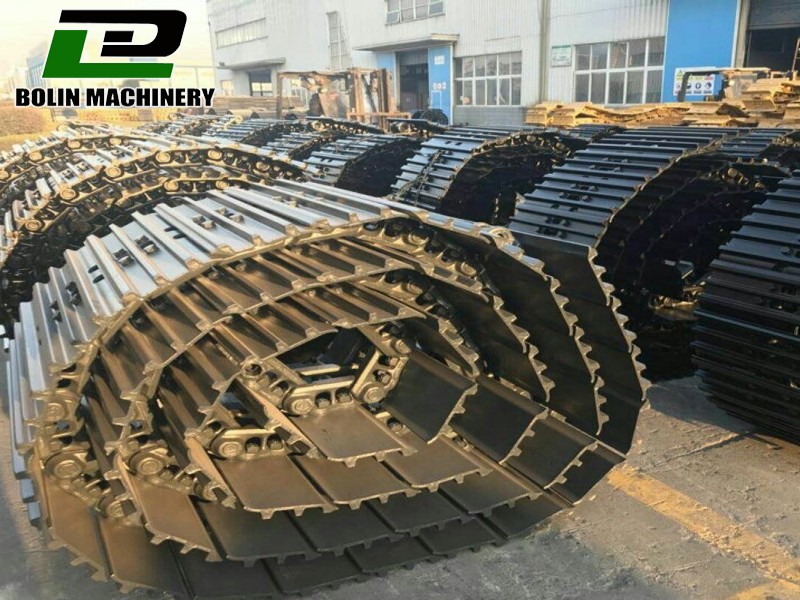
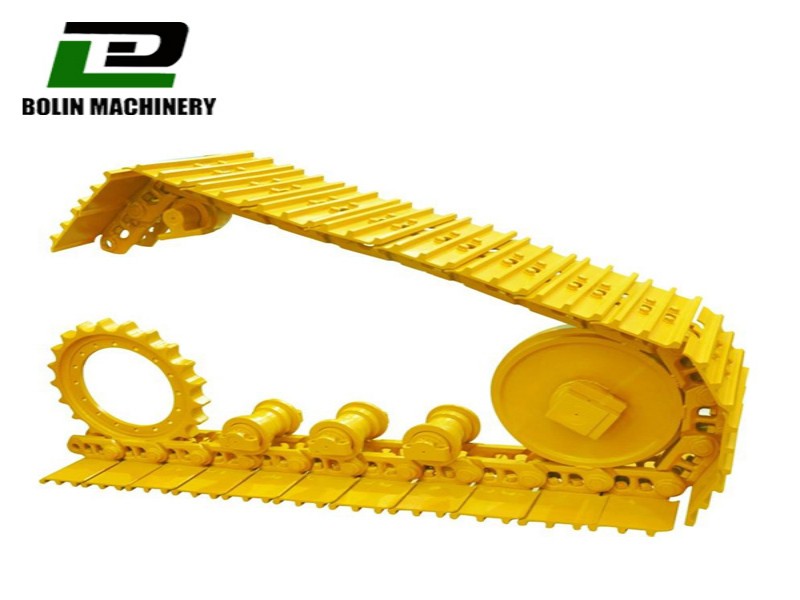
When evaluating undercarriage components for construction or earthmoving equipment, track chains and track shoes are usually the first parts operators consider. These components determine how effectively the excavator interacts with the ground. Durable track chains ensure smooth and consistent track movement under heavy loads, while well-designed track shoes provide the traction required for stable digging and machine repositioning.
Track shoe selection often depends on working conditions. Wider shoes distribute machine weight more evenly on soft or muddy ground, reducing the risk of sinking. Narrower shoes with deeper grousers offer stronger penetration and grip on rocky or compact surfaces. Choosing the appropriate shoe width and material strength helps balance traction, stability, and wear resistance.
Rollers and Carrier Rollers
Rollers support the excavator’s weight while guiding the track chain along the undercarriage frame. Bottom rollers carry most of the machine load and help maintain smooth movement across uneven terrain. Carrier rollers, positioned above the track frame, keep the track chain aligned and prevent excessive sagging during operation.
In demanding environments such as quarries or demolition sites, rollers with hardened surfaces and reinforced sealing systems generally perform better. These features reduce contamination from dust and debris while maintaining smoother rotation. Stable roller performance helps minimize vibration and prevents uneven track wear.
Idlers and Track Adjusters
Idlers and track adjusters maintain proper track tension and alignment within the undercarriage system. Correct tension allows the excavator to move smoothly without excessive friction or the risk of track derailment, especially during continuous travel or work on uneven ground.
Operators often adjust track tension according to site conditions. Slightly looser tracks can perform better in muddy environments where debris accumulates easily, while tighter tension improves stability on rocky or compact surfaces. A properly adjusted idler and tension system supports consistent track engagement and stable machine movement.
Sprockets
Sprockets transfer engine power to the track system by engaging directly with the track chain. The condition and shape of sprocket teeth affect how efficiently torque moves through the undercarriage. Properly matched sprockets and track chains allow smoother power transfer and reduce stress on surrounding components.
For heavy-duty applications, hardened sprocket segments are often preferred because they maintain tooth shape longer under abrasive conditions. Accurate alignment between sprockets and track chains also helps prevent uneven wear and ensures reliable propulsion when the excavator travels or repositions on site.
Maximizing Stability and Efficiency Through Proper Maintenance
Maintaining Correct Track Tension
Track tension has a direct impact on how smoothly the undercarriage operates and how evenly the machine’s load is distributed across the track system. When tracks are over-tightened, rollers, idlers, and track links experience excessive friction, which accelerates component wear and increases resistance during travel. If the track is too loose, the chain may slip or even derail, especially when the excavator turns or operates on uneven ground.
Operators usually adjust track tension based on working conditions and terrain type. Slightly looser tracks are often preferred in muddy or sandy environments where soil and debris can accumulate between the track links. In contrast, firmer tension tends to perform better on compact ground or rocky surfaces where stable track engagement is necessary.
Track Condition | Operational Impact | Recommended Adjustment |
Track too tight | Increased friction, faster roller and idler wear | Slightly loosen track tension |
Track too loose | Risk of derailment, unstable machine movement | Tighten track to recommended sag level |
Balanced tension | Smooth movement and even load distribution | Maintain regular inspection schedule |
Keeping the Undercarriage Clean
Debris buildup inside the undercarriage is one of the leading causes of premature wear in excavators working on construction or earthmoving sites. Mud, gravel, and compacted soil can become trapped between rollers, track links, and sprockets, creating additional friction that restricts normal track movement. As resistance increases, the excavator requires more power to travel or reposition, which can gradually reduce operational efficiency.
Routine cleaning helps maintain proper movement of the entire track system. Operators typically pay attention to areas where material tends to pack tightly, such as around bottom rollers and between track chains. Washing the undercarriage at the end of a work shift or removing debris manually reduces abrasive contact between metal surfaces. Clean components rotate more freely, which helps maintain stable machine movement and prevents unnecessary wear on rollers and sprockets.
Timely Replacement of Worn Undercarriage Parts
Undercarriage components naturally wear down under continuous load, friction, and ground contact. Monitoring wear patterns allows operators and maintenance teams to identify components approaching their service limits before they begin to affect machine performance. Delaying replacement of worn rollers, track shoes, or sprockets often leads to uneven load distribution and additional stress across the entire track assembly.
Common indicators that replacement may be required include:
● Hooked or pointed sprocket teeth that reduce proper chain engagement
● Flattened roller surfaces or signs of oil leakage from seals
● Excessive wear on track shoes or damaged grousers
Replacing worn components at the appropriate time helps maintain consistent traction, balanced load distribution, and smoother travel performance. Preventive replacement also reduces the risk of unexpected downtime, which is particularly important for machines operating in demanding construction or excavation environments.
Conclusion
The undercarriage system is essential for excavator stability, efficiency, and long-term performance. Premium Excavator Undercarriage Parts improve traction, ensure smoother operation, and support better fuel efficiency. With proper maintenance, these components also extend equipment lifespan and reduce operating costs. Shandong Bolin Machinery Co., Ltd. provides durable undercarriage solutions designed to deliver reliable performance and lasting value for heavy-duty applications.
FAQ
Q: What are the most critical Excavator Undercarriage Parts for performance?
A: Key Excavator Undercarriage Parts include track chains, rollers, idlers, and sprockets, which control traction, load distribution, and power transmission.
Q: How often should Excavator Undercarriage Parts be inspected?
A: Excavator Undercarriage Parts should be inspected daily for wear, debris buildup, and track tension issues to prevent unexpected downtime.
Q: What factors accelerate wear in Excavator Undercarriage Parts?
A: Abrasive terrain, improper track tension, heavy loads, and poor cleaning practices significantly increase wear on Excavator Undercarriage Parts.
Q: Why is correct track tension important for excavator undercarriage systems?
A: Proper tension helps Excavator Undercarriage Parts maintain alignment, reduce friction, and ensure stable machine movement on uneven terrain.


